How to Build an Effective Vocal Practice Routine

Building an effective vocal practice routine can transform the way students develop their voice, confidence, and musical expression. At West Island Music Academy, we encourage singers to approach practice with structure, patience, and creativity so every session feels useful and motivating. Whether you are a beginner or returning to vocal training after time away, a clear routine helps you strengthen technique without feeling overwhelmed. Many students ask, can anyone learn to sing, and consistent practice is one of the strongest answers. With focused exercises, healthy habits, and supportive singing lessons, singers in Montreal can steadily improve pitch, tone, breath control, and artistry while enjoying the process of discovering their natural voice.
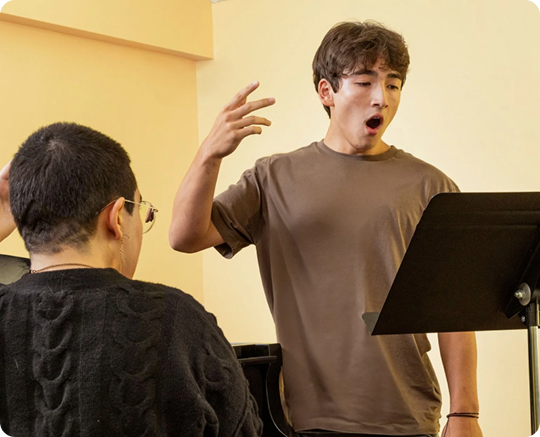
Why Does a Vocal Practice Routine Matter for Growth?

A vocal practice routine matters because it helps singers build healthy habits, improve control, and measure progress over time. Without structure, practice can feel random, but a clear plan keeps each session focused and productive. Singing lessons are most effective when students reinforce what they learn through regular practice at home. A strong routine helps singers improve breath support, pitch accuracy, resonance, posture, and articulation in a steady way. Instead of singing songs repeatedly without direction, students learn how to warm up, isolate technical challenges, and apply skills to music they enjoy. This process reduces vocal strain and builds long-term confidence. It also answers the common question can anyone learn to sing by showing that improvement comes from repetition, awareness, and guidance. With consistent effort, students begin to understand their voice better and develop stronger musical expression.
What Makes WIMA the Best Choice for Vocal Training

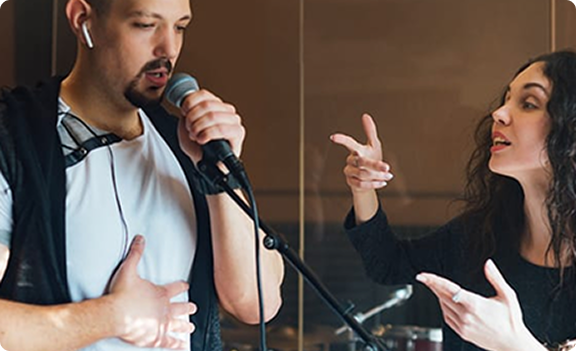
At West Island Music Academy, singers benefit from:

Personalized singing lessons tailored to all abilities

Expert vocal instructors experienced in multiple genres

A warm, supportive, judgment-free learning environment

Performance opportunities for building stage confidence

Modern studio spaces designed specifically for vocal growth

How Can Singers Balance Technique and Creativity?

Singers can balance technique and creativity by using vocal exercises first, then applying those skills to songs they enjoy. This keeps practice both disciplined and expressive. An effective vocal practice routine should never feel purely mechanical. Students need technical exercises, but they also need space to explore emotion, style, and interpretation. In singing lessons, instructors often begin with breathing, warm-ups, and resonance work before helping students apply those tools to real songs. This approach allows vocalists to strengthen their voice safely while still connecting with music personally. As students improve, they learn how phrasing, dynamics, and tone shape emotional delivery. This balance reinforces the idea that can anyone learn to sing is practical, not abstract. With the right routine, students develop skill and artistry together.

How Can Structured Practice Build Strong Vocal Skills?

Structured practice builds strong vocal skills by helping singers focus on one goal at a time. This makes progress easier to understand, repeat, and sustain. A clear practice routine supports steady vocal development at every level. Students may begin with controlled breathing, pitch matching, and vocal placement before moving into register blending, range expansion, and tone refinement. Instructors can personalize exercises based on each student’s strengths and challenges, making practice more effective and less frustrating. Over time, students learn how to listen to their own voice, identify tension, and make small corrections. They also develop musical skills such as phrasing, dynamics, and stylistic awareness. Through consistent singing lessons and focused home practice, learners gain confidence in their ability, proving that progress comes from structure and commitment.

What Goals Can a Vocal Practice Routine Support?

A vocal practice routine can support many goals, from beginner confidence to audition preparation, performance growth, recording skills, and personal enjoyment.

We work with diverse learners, including:

$

Beginners building their first vocal practice routine

$

Adults returning to singing after a long break

$

Teens preparing for auditions or performances

$
Students improving pitch, tone, or stage presence
$
Singers exploring songwriting, recording, or contemporary music

How Does Practice Prepare Singers for Performance?

Practice prepares singers for performance by building confidence, memory, vocal control, and emotional delivery. A routine helps students feel ready before stepping in front of an audience. Performance opportunities become more meaningful when students have a reliable practice routine behind them. At WIMA, recitals, showcases, and studio events give singers a chance to apply what they learn in singing lessons. Regular practice helps students manage nerves, refine technique, and communicate emotion through their voice. Even learners who feel shy at first can gain courage when they prepare step by step. Practicing performance songs with warm-ups, phrasing work, and repetition helps singers understand how to stay calm and focused. These experiences show students that can anyone learn to sing becomes easier to believe when preparation leads to real progress.

A Learning Environment Designed for Creativity

A Warm and Encouraging Atmosphere

WIMA provides vocal studios where singers feel comfortable exploring their voice without fear of judgment. This matters because vocal practice requires confidence, patience, and trust. In a supportive environment, students are more willing to try new techniques, make mistakes, and grow through guided feedback.

Tools That Support Vocal Development

Our facilities include microphones, playback tools, and recording equipment that help students understand their progress. Hearing recordings allows singers to notice pitch, tone, breath control, and expression more clearly. These tools also prepare students for studio work, performance settings, and real-world musical experiences.

Start learning today with 50% off your first lesson on the instrument of your choice!
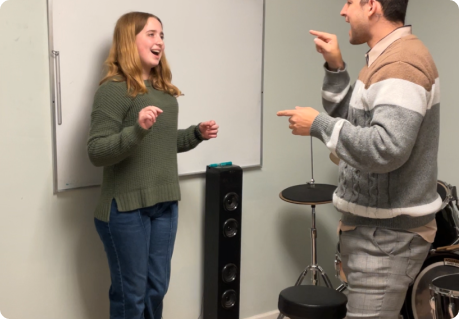
Montreal’s Creative Culture Inspires Vocal Expression

Montreal’s diverse artistic scene offers endless inspiration for students taking singing lessons. From jazz clubs and classical concerts to cultural festivals and contemporary performances, the city gives vocalists a rich musical environment to explore. Learners draw influence from performances near Saint-Laurent or creative communities around Côte Saint-Luc, gaining a broader understanding of vocal styles and artistic expression. This cultural exposure helps students develop adaptability, creative confidence, and musical curiosity. At WIMA, instructors encourage learners to integrate these influences into their singing lessons, making training not only technical but artistically fulfilling.

Serving Singers Across the West Island Community

West Island Music Academy proudly welcomes students from Pointe-Claire, Beaconsfield, and surrounding communities, offering convenient access to high-quality singing lessons close to home. Our academy is known for its supportive, community-focused approach that helps singers of all ages feel inspired and encouraged. Students come from diverse musical backgrounds, creating a vibrant learning atmosphere where voices grow through shared passion and creativity. Whether someone aims to pursue vocal performance or simply wants to learn for personal enjoyment, WIMA offers a nurturing environment where every singer can thrive.

Your Singing Journey Begins Here—Train with Montreal’s Experts

Starting singing lessons is a meaningful step toward discovering your voice and embracing your musical potential. With expert guidance and a supportive environment, learners of all levels can grow and thrive at West Island Music Academy. Whether you’ve always wondered can anyone learn to sing or you’re eager to refine your current skills, WIMA provides the tools, structure, and inspiration needed for lasting vocal development. Through personalized lessons, performance opportunities, and a welcoming atmosphere, students gain both skill and confidence. Begin your vocal journey in Montreal or the West Island today—and discover the voice you’ve always had within you.

Frequently Asked Questions

1. How often should I practice singing at home?

Most students benefit from practicing singing 4–5 times per week for short, focused sessions. Even 15–25 minutes of consistent vocal practice can help improve breath control, pitch accuracy, tone, and confidence over time.

2. What should a beginner include in a vocal practice routine?
A beginner vocal practice routine should include gentle warm-ups, breathing exercises, pitch matching, simple scales, and song practice. The goal is to build healthy habits without straining the voice.
3. Can anyone learn to sing with regular practice?
Yes, many people can improve their singing with regular practice and proper guidance. Singing lessons help students develop pitch, breath support, vocal control, and confidence step by step.
4. How long does it take to improve my singing voice?
Progress depends on consistency, goals, and experience level. Some students notice improvement within a few weeks, while stronger vocal control, range, and confidence usually develop over several months of steady practice.
5. Should I warm up before every singing practice session?
Yes, warming up before singing is important. Gentle vocal warm-ups prepare the voice, reduce tension, improve flexibility, and lower the risk of strain during practice or performance.
6. How can singing lessons help with my practice routine?

Singing lessons give students a clear structure for practice. An instructor can identify vocal challenges, recommend exercises, correct technique, and help students use their practice time more effectively.

7. What should I do if my voice feels tired during practice?
If your voice feels tired, stop practicing and rest. Vocal fatigue can happen when singers push too hard, skip warm-ups, or use improper technique. A teacher can help you practice safely.
8. Can a vocal practice routine help with performance confidence?
Yes, a consistent vocal practice routine helps singers feel more prepared for performances. Practicing songs, breathing, phrasing, and stage presence builds confidence and reduces nervousness before singing in front of others.