
How Strong Violin Technique Develops: A Guide for Parents and Students
Learning the violin is a journey that rewards patience, precision, and proper guidance. Strong violin technique does not develop overnight; it grows through correct posture, bow control, listening skills, and consistent practice from the very beginning. Because the violin is physically demanding, students need healthy habits that support comfort, tone, and long-term progress. At West Island Music Academy, violin education is structured to support beginners, intermediate learners, and advanced students with clarity and confidence. This guide helps parents and students understand how technique develops step by step. With the right approach, children and adults can build a strong foundation that supports musical growth across the West Island and Montreal.
Why Does Strong Violin Technique Matter?
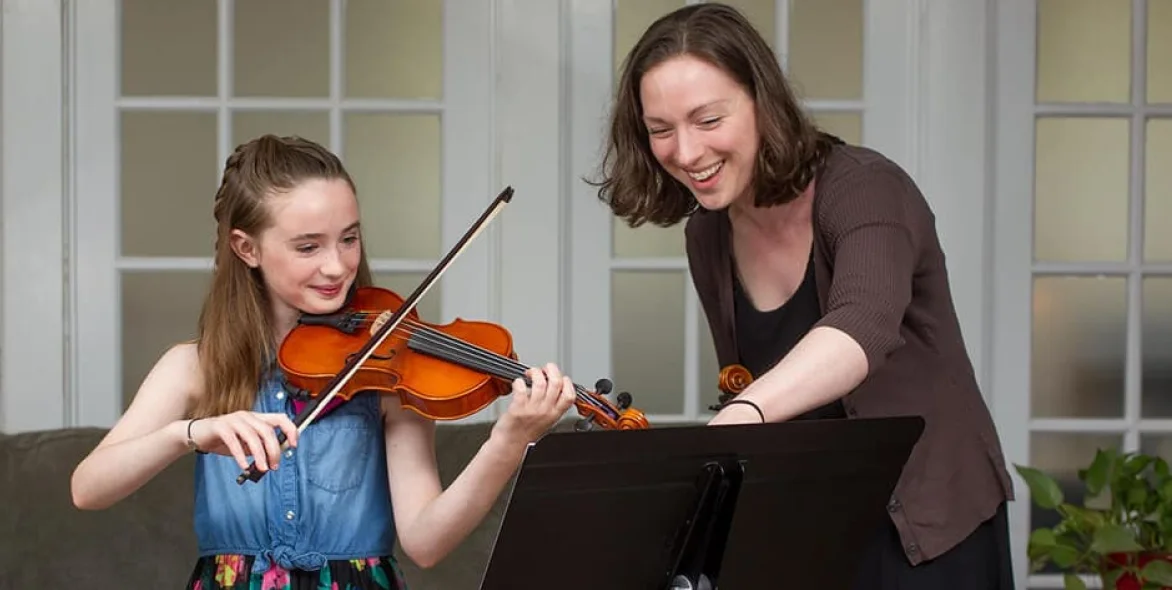
Strong violin technique matters because it prevents bad habits, supports healthy posture, improves tone, and helps students progress without unnecessary frustration or strain. The violin requires careful physical coordination. Without proper guidance, students may develop tension in the shoulders, wrists, neck, or hands, which can affect sound quality and long-term progress. Strong technique begins with posture, instrument hold, bow grip, and relaxed movement. These early habits help students produce a clearer tone and avoid constant corrections later. A well-structured learning path introduces skills in the correct order so tone production, intonation, rhythm, and coordination develop naturally. When students build technique gradually, they gain confidence with each new skill and become better prepared for more complex repertoire, expressive playing, and future performance opportunities.
How Do Beginners Build the Right Violin Foundation?
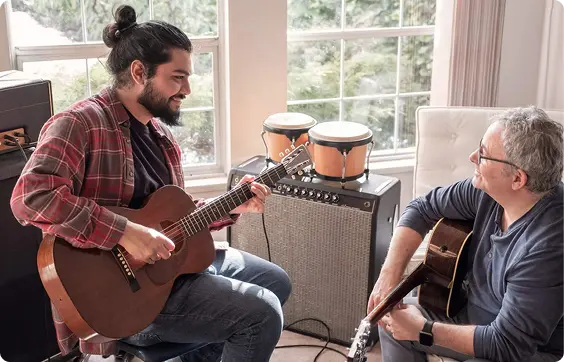
What Students Learn in Beginner Violin Practice
Bow grip and basic bow strokes
First finger placements and simple scales
Listening skills for pitch awareness
Through patient, structured guidance, beginners build confidence while developing habits that support long-term success. Practice remains engaging and manageable, helping students make steady progress without pressure.
How Can Parents Support Children Developing Violin Technique?
How Does Intermediate Violin Technique Develop?
Intermediate Violin Practice Often Includes:
How Can Different Learning Formats Support Violin Technique?
Start learning today with 50% off your first lesson on the instrument of your choice!
Why Does Local Access Help Students Stay Consistent?
How Long Does Strong Violin Technique Take to Develop?
How Should Parents and Students Choose the Right Violin Guidance?
Frequently Asked Questions
1. How does strong violin technique develop?
Strong violin technique develops through correct posture, bow control, finger placement, listening skills, rhythm, and consistent practice. These skills build gradually with structured guidance and regular feedback.
2. Why is posture important for violin students?
3. What should beginner violin students learn first?
4. How can parents help children improve violin technique?
5. What skills are developed at the intermediate violin level?
Intermediate students develop stronger tone control, accurate intonation, smoother bowing, scales, arpeggios, articulation, and expressive phrasing. This stage refines the foundation built earlier.