What Beginners Should Know Before Learning Violin

Learning violin is an inspiring step into the world of music, but beginners should understand that progress starts with patience, posture, and steady guidance. The first stage is not about playing difficult songs immediately; it is about becoming comfortable with the instrument, understanding how sound is created, and building confidence through small steps. At West Island Music Academy, new students are introduced to violin basics in a supportive and structured way. Whether a learner is completely new to music or has experience with another instrument, the early process should feel encouraging rather than overwhelming. With the right foundation, beginners can develop posture, bow control, rhythm, and musical awareness that support future progress.
What Should Beginners Know About the Violin Itself?

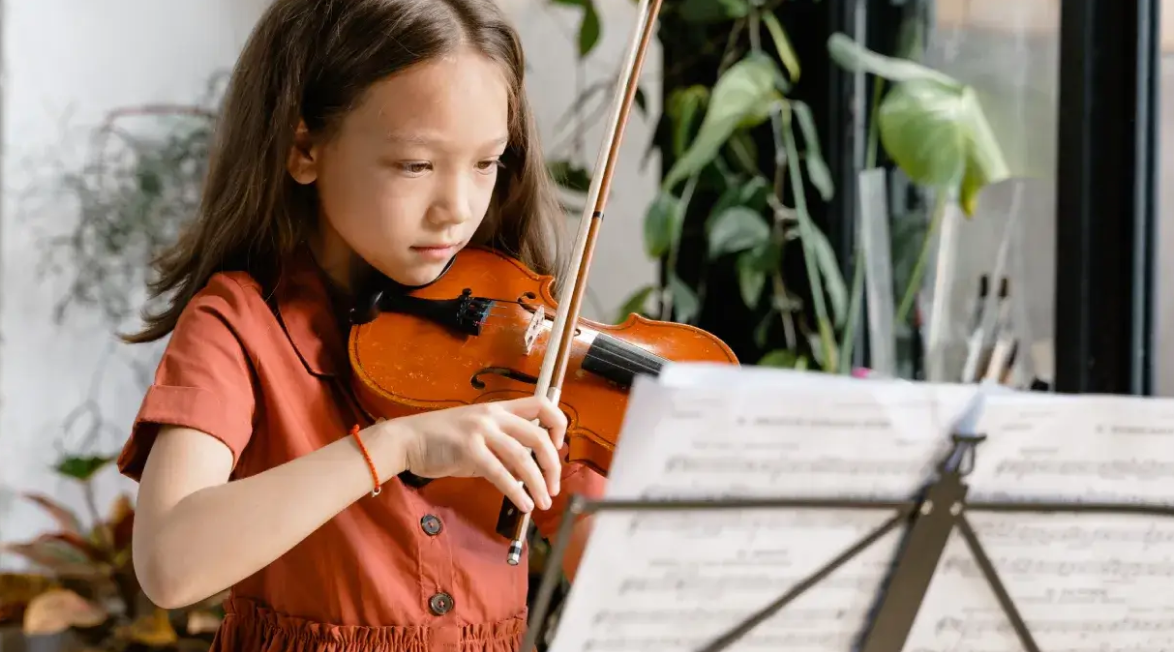
Beginners should first understand the main parts of the violin, how to hold it safely, and why posture affects sound. Familiarity with the instrument makes learning feel less intimidating. Before playing melodies, students need to get comfortable with the violin as an instrument. This includes learning the names and purpose of parts such as the bridge, strings, chin rest, bow, and fingerboard. Beginners also learn how tuning works, why careful handling matters, and how the violin should rest comfortably against the body. At WIMA, instructors emphasize alignment and comfort from the start so students can avoid unnecessary strain. A natural playing position supports smoother bow movement and clearer tone. This early familiarity builds confidence because the instrument begins to feel manageable, not mysterious, making future practice more intuitive and enjoyable.

Why Are Posture and Bow Hold Important for Beginners?

Posture and bow hold are important because they affect tone, comfort, control, and long-term progress. Good habits early help beginners avoid tension and play more smoothly. Good posture is one of the first foundations every beginner should understand before learning violin. Students need to know how to stand or sit correctly while holding the instrument with balance and comfort. Shoulder and chin rest adjustments may also help create stability. The bow hold is equally important because it controls sound quality, direction, and smoothness. Beginners are usually taught to keep the hand relaxed but supported, allowing the bow to move freely across the strings. Slow open-string practice helps students focus on straight, steady bow movement. Although this stage feels technical, it is what gradually turns scratchy sounds into smoother musical tones.

How Do Beginners Start Understanding Rhythm and Notes?

Beginners start understanding rhythm and notes through simple counting, clapping, note recognition, and short musical exercises. These basics connect physical playing with musical awareness.

Reading Music for the First Time

After becoming comfortable with the violin’s physical setup, beginners can start exploring rhythm and pitch. This is where music reading begins in a simple, approachable way. Students may learn note names, staff basics, string names, and early finger placements through beginner-friendly activities.

Developing Coordination and Timing

By clapping rhythms, counting beats, and playing short patterns, students begin developing timing and coordination. At West Island Music Academy, each concept is introduced gradually so beginners do not feel pressured. These early skills prepare learners for more advanced playing by connecting listening, reading, and movement.

How Do Beginners Create Their First Violin Sound?
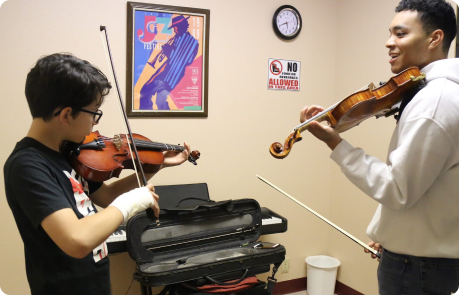
Beginners create their first violin sound by learning smooth bow movement, relaxed posture, and controlled contact with the strings. Early sound may be uneven, but consistency improves with practice. Producing a first clear note on the violin is a meaningful milestone. Beginners should know that squeaks and uneven sounds are completely normal at the start. The goal is not perfection, but learning how bow pressure, speed, and direction affect tone. Teachers guide students through open-string exercises and simple finger placements so they can gradually develop more control. Students from Pointe-Claire and nearby areas often find encouragement helpful during this stage because early challenges can quickly become progress with patient support. Over the first few sessions, learners usually notice clearer sound, steadier bowing, and greater comfort with the instrument.

What Simple Music Can Beginners Expect to Play?

Beginners can expect to play open strings, short exercises, simple melodies, and familiar tunes. These early pieces help reinforce posture, rhythm, bow control, and finger placement.

Starting with Familiar Tunes

Once beginners understand open strings and basic finger placement, they can begin playing simple melodies. These pieces are chosen to support skills already introduced, such as bow direction, posture, rhythm, and listening, while also showing students the joy of making music.

Building Finger Strength and Flexibility

Familiar tunes make practice more enjoyable and help beginners stay motivated. Students may also play short duets with an instructor to develop timing and listening skills. These early melodies help learners move from isolated exercises into real music, creating a foundation for more complex pieces later.

What Practice Habits Should Beginners Build Early?

Beginners should build short, consistent, and focused practice habits early. Clear goals and patience help students improve steadily without feeling overwhelmed. Progress depends strongly on regular practice. Before learning violin, beginners should understand that short daily sessions are often more effective than occasional long practice. Teachers usually recommend simple routines that focus on one skill at a time.

Here’s what instructors usually recommend:

$
Start small: Begin with 10–15 minutes daily to build endurance.
$
Set clear goals: Focus on one aspect, such as bowing or finger placement.
$
Use a mirror: Watching your posture helps correct mistakes early.
$
Stay patient: Improvement comes gradually—celebrate small wins.
WIMA encourages students from Côte Saint-Luc and across Montreal to treat practice as a creative habit rather than a chore.

How Does a Teacher Help Beginners Learn Violin?

A teacher helps beginners by correcting posture, explaining technique, guiding practice, and building confidence. Supportive instruction makes the early learning stage clearer and more enjoyable. A skilled violin teacher makes a major difference for beginners. At West Island Music Academy, instructors adapt their guidance to each student’s age, learning style, and goals. They combine demonstration, correction, encouragement, and musical exploration so students understand both technique and expression. Beginners benefit from having someone explain what to practise, how to hold the instrument, and how to avoid common mistakes. Beyond technical support, teachers also help develop listening skills, musical confidence, and comfort with performance. This personalized mentorship allows children and adults to grow at their own pace while enjoying the process from the beginning.

Why Does Consistency Matter More Than Speed?

Consistency matters more than speed because violin progress depends on repetition, muscle memory, and steady confidence. Beginners improve best when they focus on small, regular steps.

Embracing the Learning Process

One of the most important things beginners should know is that learning violin is a gradual process. Fast results are less important than building healthy habits, listening carefully, and practising regularly with patience.

Celebrating Every Milestone

Regular practice helps students build coordination, muscle memory, and self-belief. Instructors at WIMA often remind learners that mistakes are part of progress. Students in Beaconsfield and nearby areas benefit from a supportive culture where every milestone matters, from playing a first scale to completing a first song.

Start learning today with 50% off your first lesson on the instrument of your choice!

How Can Group Playing and Performance Help Beginners?
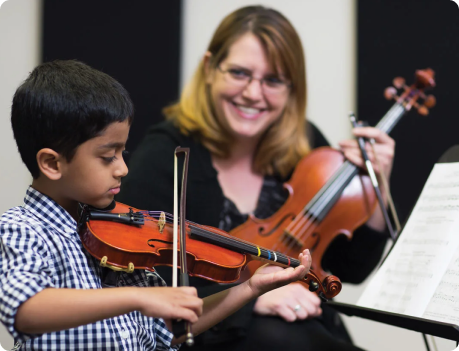
Group playing and performance help beginners build rhythm, confidence, listening skills, and stage comfort. Even small performance experiences can make learning more meaningful. As beginners develop basic skills, they may explore group playing or performance opportunities. These experiences help students learn how to listen to others, follow rhythm, tune carefully, and play as part of a musical team. Performing in small recitals can also reduce stage fright and strengthen confidence. WIMA’s collaborative environment in Saint-Laurent and the West Island encourages learners to experience music as both personal expression and shared connection. Group settings introduce ensemble awareness, cooperation, and musical interpretation in a supportive way. These experiences help beginners understand that violin learning is not only about private practice but also about communication and community.

Why Choose West Island Music Academy

West Island Music Academy has earned a reputation in Montreal for its exceptional approach to music education. The academy combines experienced instructors, structured curriculums, and an inspiring atmosphere that encourages creativity and discipline. Whether you’re a beginner or an advancing student, WIMA offers violin lessons tailored to your goals. Flexible scheduling, modern facilities, and regular performance opportunities make it the ideal environment to learn and grow. With campuses in West Island and Montreal, WIMA serves students of all ages and backgrounds, fostering a lifelong appreciation for music and artistic self-expression.

Start Your Violin Journey Today

Your first violin lesson is the start of something extraordinary—a journey of rhythm, discipline, and joy. By joining West Island Music Academy, you’re not just signing up for violin classes; you’re stepping into a supportive community of passionate teachers and fellow learners. Each session brings you closer to mastering the art of music, developing both skill and confidence. Whether you dream of performing on stage or simply want to play for personal enjoyment, WIMA provides the right foundation to achieve it. Take that first step today, and let your musical story begin with a single bow stroke.

Frequently Asked Questions

1. What should beginners know before learning violin?
Beginners should know that violin learning starts with posture, bow control, rhythm, listening skills, and patience. Progress comes gradually through small, consistent steps.
2. Why is posture important when learning violin?
Posture helps beginners hold the violin comfortably, avoid tension, and produce a clearer sound. Good posture also supports smoother bow movement and long-term progress.
3. What do beginners learn first on the violin?
Beginners usually learn the parts of the violin, how to hold the instrument, basic bow hold, open strings, simple rhythms, and early finger placement.
4. Is it normal for the violin to sound squeaky at first?
Yes, squeaky or uneven sounds are completely normal for beginners. With practice, students learn how bow pressure, speed, and direction affect tone quality.
5. How often should beginners practise violin?
Beginners should practise in short, focused sessions several times a week. Starting with 10–15 minutes daily can help build consistency, endurance, and confidence.
6. Why is a teacher helpful for beginner violin students?
A teacher helps beginners avoid poor habits, correct posture, improve bow control, and understand what to practise. Supportive guidance makes learning clearer and less overwhelming.
7. Can beginners play songs early in their violin journey?
Yes, beginners can start with simple melodies, open-string exercises, and familiar tunes. These early pieces help reinforce posture, rhythm, bowing, and finger placement.
8. How can beginners build confidence while learning violin?
Beginners build confidence by practising consistently, celebrating small milestones, and learning in a supportive environment. Each new skill, from a first clear note to a simple song, strengthens self-belief.