
How to Bring Out Your Best Sound on the Violin
Why Does Violin Technique Matter for Long-Term Sound Development?
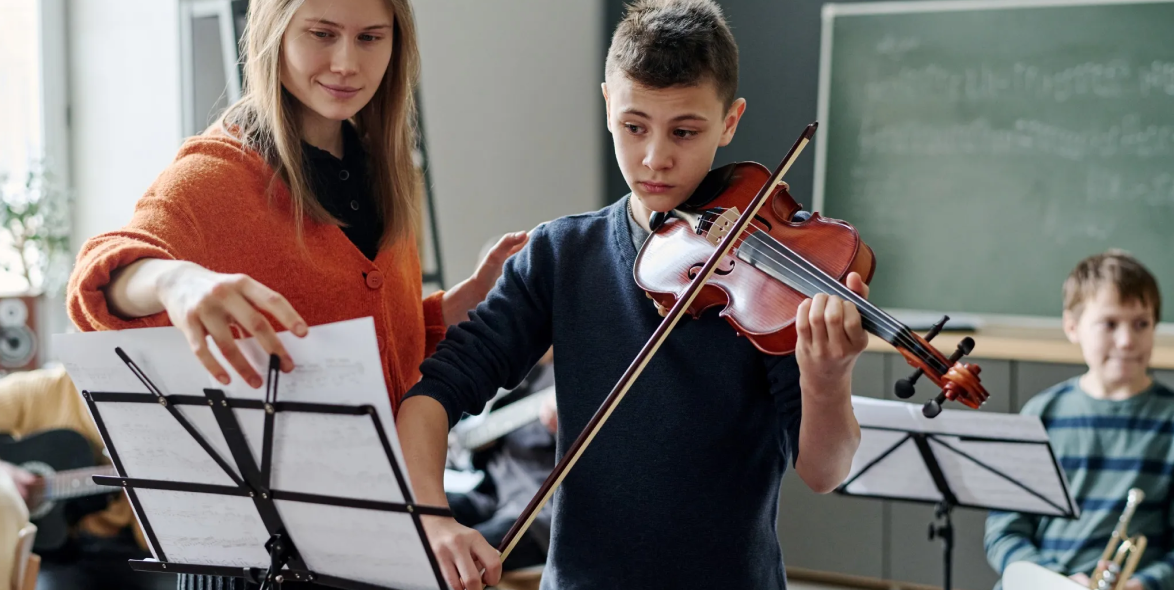
Violin technique matters because your sound depends on posture, bow control, intonation, and coordination. Strong habits help students play with clarity, comfort, and expressive freedom. Long-term violin growth depends on precision, consistency, and a clear understanding of how sound is produced. Unlike some instruments, the violin requires careful control of bow placement, left-hand position, finger accuracy, and posture to create a clean tone. Without proper guidance, beginners may struggle with scratchy sound, poor intonation, tension, or uneven bowing. A structured approach helps prevent these issues by building healthy habits from the start. At WIMA, students learn with clarity, comfort, and gradual development so progress feels encouraging rather than frustrating. These foundations allow learners to develop into expressive, confident players as their sound improves over time.
What Skills Help Create a Better Violin Sound?
Core Techniques
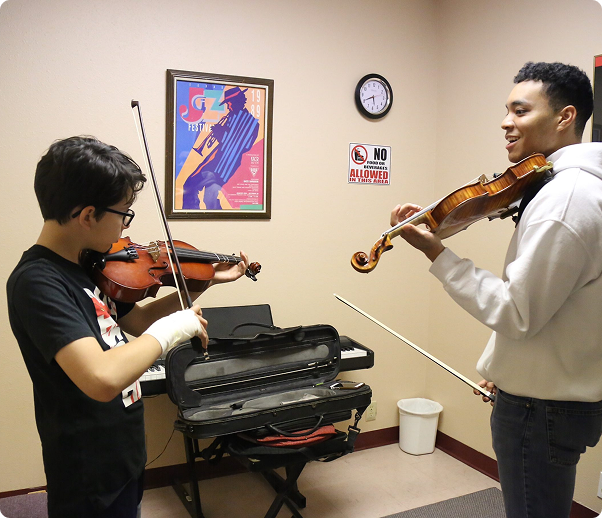
- Bow hold and proper bowing direction
- Left-hand shape and finger placement
- Early reading skills and rhythm basics
Musical Development
- Introduction to dynamics
- Tone shaping and expressive phrasing
- Simple scales and arpeggios
Performance Readiness
- Controlling tone under pressure
- Building repertoire
- Stage presentation basics
These elements help students develop a well-rounded approach to violin playing. Each skill supports tone quality, musical confidence, and the ability to communicate emotion through sound.
How Can Beginners Start Producing a Clear Violin Tone?
How Can Intermediate Players Improve Tone and Expression?
Intermediate players improve tone and expression by refining bow transitions, intonation, phrasing, finger agility, and consistency across strings. This stage helps sound become more musical and controlled. Intermediate violinists enter an exciting stage where technical skills become more refined and musical expression becomes more important. Students begin working on smoother bowing, more accurate intonation, stronger rhythm, and phrasing in longer pieces. They also practise scales and arpeggios in additional keys while building finger agility and bow control. As learners play music with more dynamic range, they gain confidence in shaping sound with intention. This level helps students move beyond simply playing notes and begin communicating musical ideas. With steady guidance, intermediate players develop a sound that feels more expressive, polished, and prepared for advanced challenges.
What Intermediate Students Work On: