How to Develop a Stronger and More Powerful Singing Voice
Developing a stronger and more powerful singing voice begins with the right mix of technique, consistency, and confidence. At West Island Music Academy in Montreal, students learn how to strengthen their voice safely through structured vocal lessons that focus on breath control, posture, tone, resonance, and expression. Whether you are a beginner discovering your natural sound or an experienced vocalist working toward greater power, WIMA’s singing lessons help you build healthy habits that support long-term vocal growth. A powerful voice is not about forcing sound; it comes from learning how to use the body efficiently. With expert coaching and personalized guidance, students develop vocal strength, clarity, stamina, and freedom while gaining the confidence to sing with impact.
Why Does Vocal Training Help You Sing with More Power?
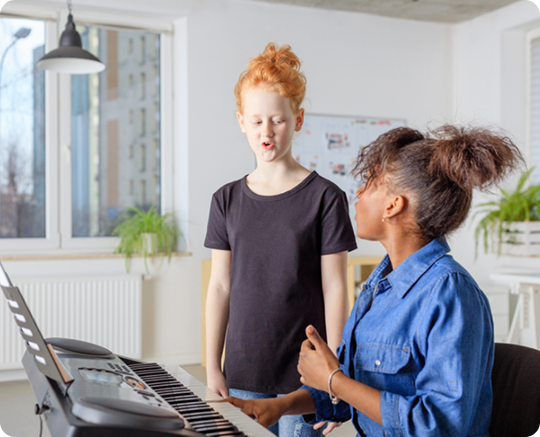
Vocal training helps you sing with more power by teaching your body how to support sound correctly. Strong singing comes from breath control, alignment, resonance, and healthy technique working together. High-quality vocal lessons help singers understand how the voice works physically and artistically. During WIMA’s singing lessons, students learn how breath support affects volume, how resonance shapes tone, and how posture improves stability. These skills allow singers to create a fuller sound without pushing or straining. Students in Montreal and the West Island often notice improvement in projection, stamina, and pitch accuracy as they build stronger technique. With consistent training, the voice becomes more controlled, flexible, and expressive. This is why singers from Pointe-Claire to Beaconsfield choose structured vocal lessons to develop a stronger presence and perform with greater confidence.
How Can Breath Control Build a Stronger Singing Voice?
Breath control builds a stronger singing voice by giving singers steady airflow and better support. When breathing is controlled, the voice becomes more powerful, stable, and easier to manage. Breath is the foundation of vocal strength, and professional singing lessons at WIMA place strong focus on this skill. Students learn diaphragmatic breathing, which helps them sustain longer phrases without forcing the voice. Through targeted vocal lessons, singers develop steady airflow that improves tone stability, vocal stamina, and dynamic control. Proper breath support also reduces tension because the voice does not have to work harder than necessary. These techniques benefit singers across many styles, including pop, classical, musical theatre, and contemporary music. With regular breath exercises included in each lesson, students build the power needed for confident, expressive, and healthy singing.
How Do Tone and Placement Affect Vocal Power?
Tone and placement affect vocal power by helping sound resonate clearly and efficiently. When singers use proper placement, the voice feels stronger without becoming tense or forced. Tone quality is shaped by resonance, relaxation, and vocal placement, which are key parts of WIMA’s singing lessons. Students learn how to release unnecessary tension so the voice can vibrate freely and produce a clearer sound. Through warm-ups, vocal drills, and guided feedback, singers improve brightness, richness, and consistency in their tone. These vocal lessons also help students adjust sound placement for different styles, such as forward placement for pop, rounded tone for classical singing, and balanced resonance for contemporary music. Students from Côte Saint-Luc and throughout Montreal often notice stronger tone control after consistent training, showing how proper technique supports lasting vocal power.
How Can Vocal Lessons Help Expand Your Range Safely?
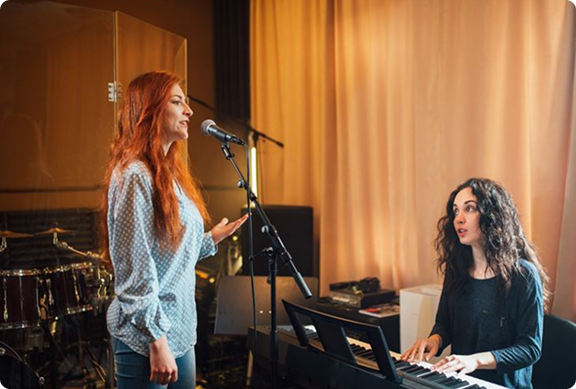
Vocal lessons help expand your range safely by strengthening coordination between chest voice, head voice, and mix voice. This allows singers to reach higher or lower notes without strain. Range expansion is a common goal for singers who want a stronger and more versatile voice. WIMA’s vocal lessons use slide exercises, vowel adjustments, flexibility drills, and register work to help students build range gradually. Coaches guide singers through techniques that strengthen both head voice and chest voice while developing a balanced mix register. This helps students reach powerful high notes without shouting or tightening the throat. Beginners and experienced students both benefit from range-building exercises during singing lessons. Over time, singers from Montreal, Saint-Laurent, and the West Island gain more agility, control, and confidence when performing a wider variety of songs.
How Does Expression Make a Powerful Voice More Memorable?
Expression makes a powerful voice more memorable by adding emotion, meaning, and personality to the sound. Strong technique matters, but storytelling helps singers truly connect with listeners. The best singers are not only technically strong; they also know how to communicate emotion. WIMA’s singing lessons help students connect with music through phrasing, dynamics, articulation, and lyrical interpretation. Coaches encourage singers to understand the message of each song and use their voice to express feeling with intention. Through expressive vocal lessons, students learn how to shape phrases, build emotional contrast, and create performances that feel authentic. Many singers from Beaconsfield and Pointe-Claire discover that storytelling gives their vocal power more purpose. When technique and emotion work together, a singer becomes more confident, compelling, and memorable.
Why Do Personalized Singing Lessons Lead to Better Results?
Personalized singing lessons lead to better results because every voice has different strengths, habits, and challenges. Tailored coaching helps students improve faster and practice more effectively. Every singer develops differently, which is why personalized vocal lessons are so valuable. At WIMA, instructors adjust warm-ups, exercises, and song choices based on each student’s voice, goals, and experience level. This focused attention helps address challenges such as pitch stability, breath timing, tension, or tone placement. One-on-one singing lessons also allow coaches to monitor technique closely and prevent unhealthy habits from becoming routine. Students in the West Island appreciate how customized instruction gives them clearer direction and faster progress. With the right exercises and feedback, singers build stronger foundations, improve confidence, and develop a more powerful voice over time.
How the Right Environment Strengthens Vocal Training
Expert Vocal Coaches
Students develop a stronger voice through expert guidance, healthy technique, and personalized feedback. WIMA’s vocal coaches help singers understand how to use their voice with more control, strength, and confidence.
Supportive Atmosphere
A positive learning environment encourages singers to take creative risks and try new techniques. When students feel comfortable, they are more willing to explore their voice and grow through consistent practice.
Start learning today with 50% off your first lesson on the instrument of your choice!
WIMA’s Supportive Community Enhances Every Singing Lesson
A safe and encouraging environment is key to vocal growth, and WIMA’s supportive culture inspires students to explore their voice freely. Many new singers feel self-conscious at first, but the academy’s warm, welcoming atmosphere helps them relax and enjoy their singing lessons. Vocal coaches celebrate each milestone, helping students remain motivated and proud of their progress. The school’s environment encourages creativity, boldness, and willingness to try new styles. Students across Montreal benefit from this nurturing space, where vocal lessons become not just practice sessions but opportunities for personal development and artistic expression.
Connecting Singing Lessons to Montreal’s Vibrant Music Culture
One of the strengths of taking singing lessons in Montreal is the city’s thriving artistic scene. Students are surrounded by musical inspiration—from jazz venues to classical performances to multicultural festivals in Côte Saint-Luc and community events across Beaconsfield. These experiences reinforce what singers learn during their vocal lessons, helping them understand different styles and connect more deeply with the music they perform. Exploring local performances exposes students to real-world artistry, encourages creativity, and strengthens their desire to improve. WIMA integrates this cultural influence into its programs so students gain a broader appreciation of vocal performance.
Building Vocal Confidence Through Practice and Technique
Confidence grows naturally as singers deepen their technique, and WIMA’s singing lessons help students trust their voice more each week. As they master breath control, improve tone quality, and expand their range, vocalists begin to feel comfortable exploring new songs and challenging themselves. Regular vocal lessons reinforce strong technique while helping students overcome insecurities about pitch, power, or stage presence. Whether preparing for a recital or singing purely for enjoyment, students gain pride in their progress. This self-confidence enhances both musical performance and personal growth, giving singers tools they can carry into every part of their lives.
Start Your Vocal Journey with WIMA Today
If you’re ready to strengthen your voice, expand your range, and build lasting confidence, professional singing lessons at West Island Music Academy are the perfect place to begin. With expert coaches, personalized vocal lessons, and a warm learning environment, WIMA supports singers of all ages in discovering their full vocal potential. Whether you’re from Pointe-Claire, Saint-Laurent, Beaconsfield, or anywhere in Montreal, WIMA provides the tools and guidance you need to grow. Begin your journey today and experience how transformative expert vocal training can be.
Frequently Asked Questions
1. How can I develop a stronger singing voice?
You can develop a stronger singing voice by practicing breath control, posture, vocal warm-ups, resonance, and tone placement regularly. Professional singing lessons also help you build vocal power safely without straining your voice.
2. Do vocal lessons help improve singing power?
Yes, vocal lessons help improve singing power by teaching proper breath support, healthy projection, resonance, and vocal control. These techniques allow singers to create a fuller sound without forcing or tightening the throat.
3. How long does it take to build a more powerful singing voice?
Most students notice improvement within a few weeks of consistent practice, but lasting vocal strength usually develops over several months. Progress depends on practice habits, lesson consistency, and each singer’s starting level.
4. Can beginners build a powerful singing voice?
Yes, beginners can build a powerful singing voice with the right technique and guidance. Singing power is not about natural volume only; it comes from breath support, posture, resonance, and healthy vocal coordination.
5. What exercises help strengthen the singing voice?
Helpful exercises include lip trills, sirens, sustained vowel sounds, breath control drills, scales, and resonance exercises. These support vocal flexibility, range, tone quality, and stamina when practiced correctly.
6. Can I expand my vocal range without damaging my voice?
Yes, vocal range can be expanded safely through structured vocal lessons, gradual exercises, and proper technique. Singers should avoid forcing high or low notes and focus on healthy register coordination.
7. Why does breath control matter for vocal power?
Breath control gives the voice steady support, helping singers sustain notes, project clearly, and avoid strain. Strong airflow management allows the voice to sound more powerful while staying relaxed and healthy.
8. Are WIMA’s singing lessons suitable for all ages?
Yes, WIMA’s singing lessons are suitable for children, teens, and adults. Lessons are personalized to each student’s voice, goals, and experience level, whether they are beginners or more advanced singers.
