
How to Build Strong Musical Foundations on the Violin
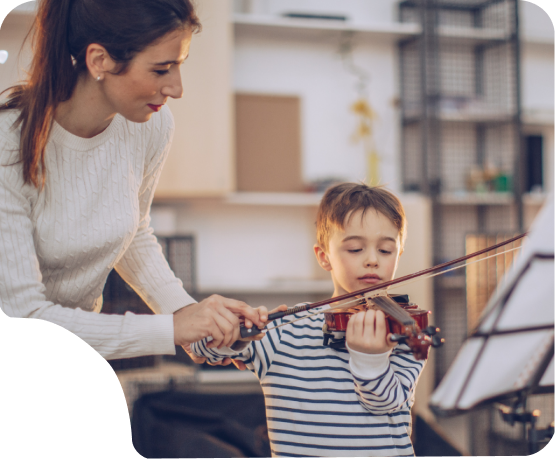
Why Is the Violin a Strong Instrument for Building Musical Foundations?
The violin helps students build strong musical foundations because it develops listening, coordination, pitch awareness, discipline, and expressive control. These skills support growth across many areas of music. Violin learning offers one of the most complete musical development experiences because the instrument trains both the ear and body with great precision. Unlike fretted or keyed instruments, the violin requires students to find pitch through listening, muscle memory, and careful finger placement. Bow grip, posture, rhythm, and sound production all work together to create music. These foundations can support future musical pursuits such as piano, composition, orchestral playing, improvisation, or performance. At WIMA, students develop technique in a structured yet encouraging setting, making violin learning empowering rather than intimidating. The instrument teaches discipline while giving students creative freedom to express emotion through sound.
How Can Violin Foundations Be Built for Children, Teens, and Adults?
Violin foundations should be adapted to each learner’s age, goals, and experience level. Children, teens, and adults all build skills differently, but each can progress with the right structure. One important part of building strong violin foundations is recognizing that students learn differently at every age. Children often develop listening skills, coordination, focus, and discipline through playful but structured exercises. Teens benefit from confidence-building, emotional expression, and opportunities to connect music with personal identity or ensemble playing. Adults often appreciate a rewarding challenge that keeps the mind active and provides a positive break from daily routines. It is never too early or too late to build violin skills. Instructors can adjust teaching style, speed, repertoire, and complexity based on each student’s learning needs, helping every learner grow steadily and confidently.
What Should a Strong Violin Curriculum Include?
How Does Violin Learning Strengthen the Brain and Confidence?
Instrument Setup, Accessories, and Beginner Gear Recommendations
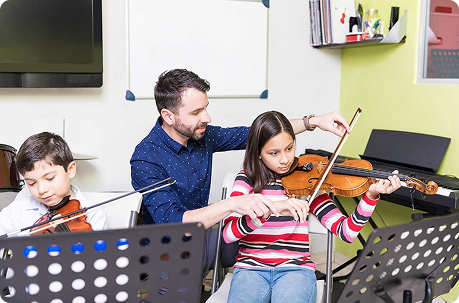
Proper violin sizing for comfort and posture stability
Beginner bows and their flexibility difference
Essential shoulder rest selection for stability
Rosin and strings that enhance tone quality
Selecting a tuner and metronome that guide practice
Guidance on renting or purchasing the right violin for level
Why Does a Supportive Local Music Environment Help Violin Growth?
How Do Ensemble Skills Strengthen Violin Foundations?
Start learning today with 50% off your first lesson on the instrument of your choice!
Montreal’s Musical Culture Makes Violin Learning Even More Inspiring
Conclusion: Start Your Violin Journey With Confidence and Purpose
Frequently Asked Questions
1. What does it mean to build strong musical foundations on the violin?
2. Why is the violin good for developing musical skills?
The violin develops listening, coordination, discipline, pitch awareness, and expressive control. Because there are no frets or keys, students learn to rely on their ears and careful finger placement.