How to Improve Violin Technique, Tone, and Confidence
Every violinist has a unique musical voice waiting to be developed. Improving violin technique, tone, and confidence requires patient practice, clear guidance, and a steady focus on both physical control and musical expression. Whether a student is just beginning or working on advanced bowing, progress comes from learning how posture, rhythm, bow movement, and listening skills work together. At West Island Music Academy, students are guided step by step so improvement feels natural, enjoyable, and rewarding. Learners from across Montreal and the West Island can build stronger technique, create a warmer sound, and gain the self-belief needed to perform with greater ease and musical freedom.
Why Does Strong Guidance Matter When Improving Violin Skills?
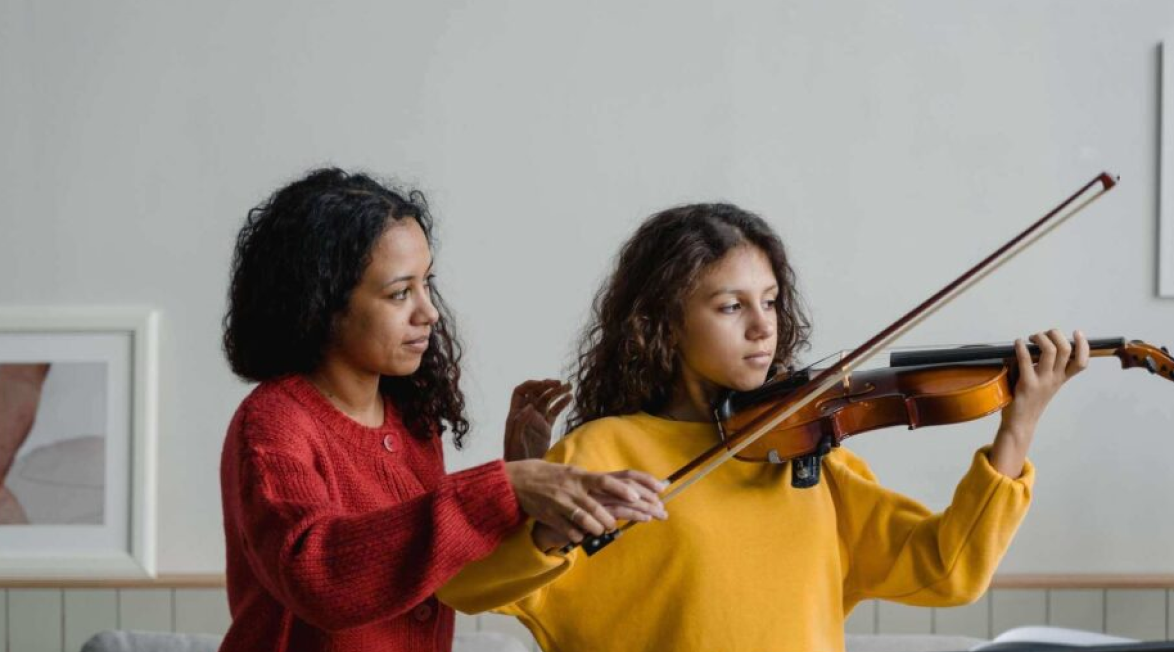
Strong guidance matters because violin technique depends on precise posture, bow control, hand position, and listening habits. A teacher can correct small issues before they become long-term problems. Improving violin skills requires patience, structure, and consistent feedback. At West Island Music Academy, students are supported through a blend of traditional methods and modern, student-centered instruction. Teachers help learners understand posture, hand positioning, bow direction, rhythm, and tone production so fundamentals develop correctly from the start. Smaller learning settings allow for personalized feedback and goal-based progress. Students can explore classical pieces, contemporary favorites, and music that matches their interests and current level. Confidence also grows through regular performance preparation and ensemble participation. This well-rounded approach helps learners improve technically while staying motivated, expressive, and connected to the joy of music.
How Can Violinists Build a Strong Technical Foundation?
Violinists build a strong technical foundation by practising posture, bow control, finger placement, scales, rhythm, and coordination. These habits create the control needed for clear and confident playing. A solid foundation is key to improving on the violin. Students need proper body alignment, relaxed shoulders, stable left-hand position, and precise bowing to produce clean sound. Exercises such as scales, arpeggios, finger patterns, and bowing drills help improve agility, accuracy, and coordination. Over time, these technical habits support better tone and stronger musical expression. At West Island Music Academy, students are encouraged to understand the purpose behind each exercise, not simply repeat it. This helps them practise with intention and emotion. Through consistency, patience, and positive reinforcement, learners gain both technical strength and greater self-assurance in their playing.
How Can Violinists Improve Tone and Expression?
Violinists improve tone and expression by learning how bow pressure, bow speed, contact point, phrasing, and dynamics affect sound. A beautiful tone comes from control and emotional awareness. Producing a warm and expressive sound is one of the most rewarding parts of violin growth. Students learn how subtle changes in bow weight, speed, and placement can create different colors and textures. Tone studies and carefully chosen repertoire help learners discover their own sound on the instrument. Beyond technique, students also develop emotional sensitivity by learning how to express joy, sadness, excitement, or calm through phrasing and dynamics. This kind of practice goes beyond reading notes on a page. It helps musicians communicate through sound and develop a personal voice that feels expressive, controlled, and meaningful.
How Does Performance Practice Build Violin Confidence?
Performance practice builds confidence by helping students share their progress, manage nerves, and develop stage presence. Playing for others turns technical practice into real musical communication. Confidence grows when students have opportunities to share what they have learned. West Island Music Academy supports this through performance experiences such as studio recitals, community concerts, and ensemble settings. Performing teaches focus, resilience, posture awareness, and emotional control under pressure. Whether a student is playing a first solo or joining a group performance, supportive preparation helps them embrace the experience rather than fear it. Each milestone shows the connection between effort, achievement, and self-belief. These skills also extend beyond music, helping learners feel more comfortable in school presentations, public speaking, teamwork, and other everyday situations.
How Should Violin Improvement Be Adapted for All Ages?
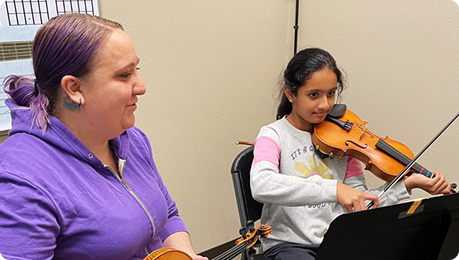
Violin improvement should be adapted to the learner’s age, goals, attention span, and experience level. Children, teens, and adults all benefit from different pacing and teaching styles. Students progress best when practice matches their needs. A flexible learning path can support many types of learners:
For Children: Fun, interactive practice introduces rhythm, pitch, simple melodies, and musical games while developing early coordination and motor skills.
For Teens: Structured practice helps refine technique, expand repertoire, and prepare students for exams, ensembles, auditions, or more advanced musical goals.
For Adults: Flexible private guidance can focus on skill-building, stress relief, favorite pieces, or reconnecting with a lifelong passion for music.
Regardless of age, every learner benefits from patient feedback, realistic goals, and personalized attention that helps them improve at their own pace.
Why Are Experienced Instructors Important for Violin Progress?
Experienced instructors help students improve by adapting exercises, correcting habits, and offering feedback that matches each learner’s personality, motivation, and musical goals. A strong teacher can make the learning journey more focused and encouraging. At West Island Music Academy, instructors bring a mix of performance experience and educational knowledge to each student’s development. They understand how to adjust technique, repertoire, and practice strategies based on the learner’s strengths and challenges. Whether a student is preparing for an audition or learning for personal enjoyment, teachers guide progress with patience and expertise. Students from Pointe-Claire, Côte Saint-Luc, and nearby communities benefit from instruction that supports measurable improvement while keeping music enjoyable. This type of mentorship helps learners build discipline, confidence, and long-term musical excellence.
How Do Ear Training and Music Theory Improve Violin Playing?
Ear training and music theory improve violin playing by helping students understand pitch, intervals, rhythm, harmony, and musical structure. These skills make playing more accurate and expressive. A strong violinist does more than move the fingers correctly; they listen deeply and understand how music works. Ear training helps students recognize intervals, scales, tuning, and harmonies, which improves intonation and musical awareness. Music theory gives learners a clearer understanding of rhythm, key signatures, phrasing, and structure. When theory connects to technique, students begin to understand why certain passages sound the way they do. This broader approach supports ensemble playing, composition, improvisation, and higher-level study. By combining listening, theory, and performance practice, students develop a more complete understanding of the violin and its role in music.
Start learning today with 50% off your first lesson on the instrument of your choice!
Group Violin Classes and Ensemble Experience
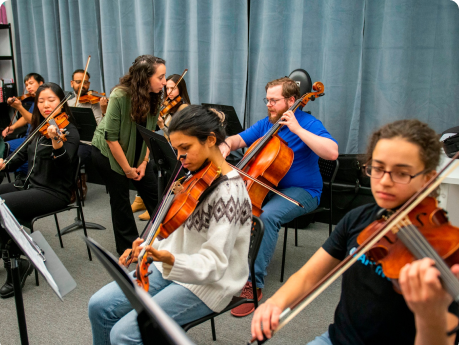
Collaboration is at the heart of music. Our group violin classes offer students the opportunity to play with peers in duets, trios, and small orchestras. Ensemble participation improves listening skills, timing, and teamwork.
Students also experience the thrill of harmonizing with others, blending tone and rhythm in real time. This shared learning not only enhances musical growth but also builds friendships and confidence. From beginner ensembles in Beaconsfield to advanced chamber groups in Saint-Laurent, our academy offers a musical community that inspires creativity.
Ensemble Collaboration with Other Instrument Students
Music thrives in collaboration. Students enrolled in our violin classes often participate in ensemble programs that include peers from a piano class, guitar classes, and even students taking drum lessons or drum classes. These cross-instrument experiences strengthen timing, harmony awareness, and dynamic control. Playing alongside percussion students improves rhythmic precision, while collaborating with piano and guitar students deepens harmonic understanding. These ensemble opportunities prepare violinists for orchestras, chamber groups, and live performances throughout Montreal. By integrating ensemble training into our curriculum, West Island Music Academy ensures that every violin student gains real-world musical experience—not just technical proficiency.
How Does Ensemble Playing Improve Confidence and Timing?
Ensemble playing improves confidence and timing by teaching students to listen, blend, follow rhythm, and collaborate with others. It turns individual practice into shared musical growth. Collaboration is an important part of becoming a stronger musician. Group playing gives students the chance to perform duets, trios, and small ensemble pieces with peers. This experience improves listening skills, timing, rhythm, tone blending, and teamwork. Students also learn how their part fits into a larger musical texture, which strengthens awareness and confidence. Playing with others can make practice more enjoyable because students feel connected to a musical community. From beginner groups in Beaconsfield to more advanced chamber settings in Saint-Laurent, ensemble experiences help learners build friendships, creativity, and the confidence needed to perform with others.
Enroll Today at West Island Music Academy
If you’ve been thinking about taking violin classes in Montreal, there’s no better time to start. At West Island Music Academy, we combine technical mastery with personal expression to create a transformative learning experience.
Our warm, professional environment welcomes students of all ages who want to refine their tone, strengthen their technique, and perform with confidence. Join a community where music truly comes alive—right here in West Island.
Enroll today and take your first step toward mastering one of the world’s most beautiful instruments.
Frequently Asked Questions
1. How can violinists improve technique, tone, and confidence?
Violinists can improve by practising posture, bow control, finger placement, scales, ear training, and performance skills consistently. Strong guidance helps connect technical accuracy with expressive playing.
2. Why is posture important for violin technique?
Posture supports relaxed movement, better bow control, and cleaner sound production. Good alignment also helps prevent tension in the shoulders, neck, arms, and hands.
3. How can students improve their violin tone?
Students can improve tone by adjusting bow pressure, bow speed, contact point, and phrasing. Consistent tone studies and focused listening help create a warmer, more controlled sound.
4. What role does ear training play in violin progress?
Ear training helps students recognize pitch, intervals, harmony, and tuning more accurately. This improves intonation, musical awareness, and expressive playing.
5. How does performance practice build confidence?
Performance practice helps students manage nerves, develop stage presence, and share music with others. Recitals, concerts, and ensemble settings turn practice into real musical communication.
6. Can adults improve violin technique and tone?
Yes, adults can improve violin technique and tone with patient instruction and consistent practice. Flexible goals and steady feedback help adult learners progress at a comfortable pace.
7. Why is ensemble playing helpful for violin students?
Ensemble playing improves timing, listening, teamwork, and confidence. Students learn how to blend their sound with others while staying aware of rhythm and musical balance.
8. How long does it take to improve violin confidence?
Confidence improves gradually with regular practice, teacher feedback, and performance experience. Some students feel progress within weeks, while deeper confidence develops over months of consistent learning.
