How to Make Learning Guitar from Home Fun and Effective

Learning guitar from home can be flexible, enjoyable, and highly effective when the process is structured properly. Today, students are no longer limited by location, travel time, or rigid schedules when developing musical skills. Whether someone is a beginner learning first chords, an intermediate player improving rhythm, or an advanced guitarist refining technique, home-based learning can support real progress. The key is combining convenience with clear goals, useful tools, and engaging practice methods. When learners practice in a comfortable space and follow a focused plan, guitar learning becomes easier to maintain. With the right approach, playing from home can build confidence, creativity, and long-term musical growth.

Why Is Learning Guitar from Home More Popular Than Ever?

Learning guitar from home has become popular because it offers flexibility, comfort, personalized practice, and easier access to consistent learning. Learning guitar from home appeals to busy students, adults, and families because it removes many barriers that often interrupt progress. Instead of spending time commuting or adjusting to strict schedules, learners can practice in a familiar environment that fits their routine. This makes consistency easier, especially for people balancing school, work, family, or other activities. Home-based learning also allows students to focus on their own pace, musical interests, and goals. Unlike generic tutorials, a structured home routine can still feel personal and effective. When learners combine flexibility with clear direction, they can make steady progress while keeping the experience enjoyable and manageable.

How Can Home Guitar Learning Balance Flexibility and Quality?
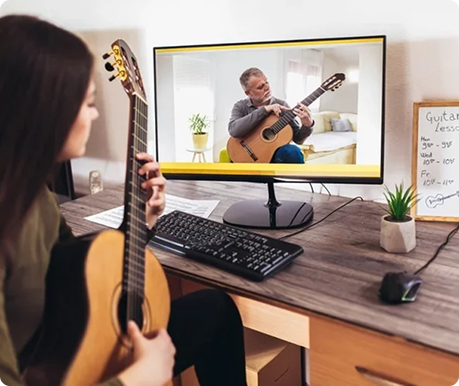
Home guitar learning works best when flexible scheduling is combined with structure, focused practice, and meaningful musical goals. A flexible routine helps guitar learners stay consistent without feeling pressured by travel or fixed schedules. When practice can happen at convenient times, students are more likely to keep going even during busy weeks. However, flexibility alone is not enough. Guitar learning also needs structure, including warm-ups, chord work, rhythm practice, technique exercises, and song application. This balance allows learners to improve while still enjoying the freedom of home-based practice. Whether someone is learning basic chords or more complex fingerpicking patterns, each session should have a purpose. When flexibility and quality work together, guitar practice becomes both sustainable and productive.
Learn from Anywhere with Fun & Effective Online Guitar Lessons

How Can Guitar Practice Match Different Learning Styles?

Guitar practice becomes more effective when it matches the learner’s style, whether visual, auditory, hands-on, structured, or creative. Not every guitarist learns in the same way, so home practice should adapt to the learner’s strengths. Some students understand best through diagrams and visual examples, while others learn faster by listening, repeating, or playing along with tracks. Digital tools, screen-based resources, custom exercises, and recorded practice can help make concepts easier to understand. A learner who enjoys structure may benefit from written goals and weekly routines, while a creative learner may stay motivated through songs, improvisation, or style exploration. This personalized approach keeps practice more engaging and memorable. When learning feels natural to the student, progress becomes faster, clearer, and more enjoyable.

Why Does Good Guidance Matter When Learning Guitar from Home?

Good guidance helps home learners stay focused, correct mistakes early, and develop stronger technique with more confidence. Learning guitar from home can be effective, but guidance makes the process more reliable. Without feedback, students may repeat mistakes in posture, finger placement, timing, or rhythm without noticing. Good guidance helps learners understand what to practice, how to improve, and when to move forward. It also keeps motivation high because students feel supported rather than stuck. Experienced guidance can expose learners to different genres such as rock, blues, jazz, pop, or classical music, helping them build versatility. Whether a beginner is starting out or an adult is returning to guitar, feedback and direction make home learning more valuable, focused, and encouraging.

What Tools Make Learning Guitar from Home More Effective?

Tools such as metronomes, chord diagrams, recordings, slow-down apps, and video review can make home guitar learning more effective. Technology can make home guitar practice clearer, more interactive, and easier to repeat. Digital chord diagrams help beginners understand finger placement, while metronomes improve timing and rhythm control. Slow-down tools allow learners to practice tricky sections at a manageable pace before increasing speed. Video recordings help students review posture, hand movement, and sound quality. Backing tracks and play-along resources make practice feel more musical and enjoyable. These tools are especially useful because they turn home practice into an active learning experience rather than passive repetition. When used consistently, they help learners stay organized, track progress, and build confidence more quickly.

How Can Local Roots and Global Access Inspire Guitar Learning?
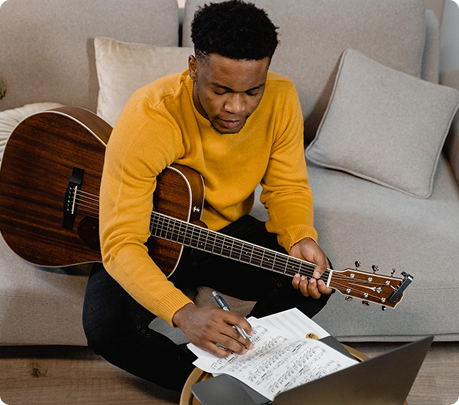
Learning guitar from home can still feel connected to a wider musical world. Students may practice in their own rooms, but digital access allows them to explore styles, cultures, performances, and creative ideas from many places. At the same time, learners in West Island, Pointe-Claire, Côte Saint-Luc, Beaconsfield, Saint-Laurent, Kirkland, and other Montreal-area communities can stay connected to local musical identity. This combination of local inspiration and global access keeps learning fresh and meaningful. Students can discover new genres, participate in virtual performances, or collaborate with others beyond their immediate area. This broader connection helps guitar practice feel exciting instead of isolated.

How Can Guitar Learning Stay Affordable and Accessible at Home?

Home-based guitar learning can be accessible for many ages and experience levels because it reduces common barriers like travel, scheduling pressure, and expensive setups. Students do not need a complicated environment to begin. A guitar, a stable internet connection, a quiet space, and a consistent routine are enough to start building real skills. Children can explore music early, teenagers can work toward band goals, and adults can return to a long-delayed passion. Flexible plans and simple tools can make learning feel realistic for families and individuals. When the process is accessible, students are more likely to stay committed and enjoy long-term progress.

How Does Guitar Practice Build Confidence and Self-Expression?

Learning guitar from home can help students develop confidence, discipline, creativity, and self-expression. Each new chord, rhythm, or song creates a visible milestone that shows progress. This sense of achievement motivates learners to continue practicing and take on new challenges. Guitar also gives students a personal way to express emotion, style, and musical taste. Whether playing favorite songs, creating original ideas, or experimenting with different sounds, learners begin to develop their own voice. A strong foundation in technique, rhythm, and theory supports this creativity. Over time, guitar learning becomes more than a skill; it becomes a meaningful outlet for personal growth.

Join a Thriving Online Music Community

Online doesn’t have to mean isolated. West Island Music Academy fosters a strong sense of community, even in the digital space. Students can participate in online recitals, virtual jam sessions, and collaborative projects that keep them connected and inspired.

These events are more than just performances—they’re celebrations of progress. They motivate students to practice, perform, and support one another in their musical journeys. The shared experience builds camaraderie that transcends screens.

Getting Started is Simple

Enrolling in online guitar lessons at West Island Music Academy is easy. After a brief consultation, we match each student with an instructor who best suits their goals and learning style. From there, lessons begin at your convenience, with ongoing support and regular progress reviews to keep you motivated.

We also offer trial lessons for those who want to experience the format before committing. Once students experience how engaging and effective our online guitar classes can be, they often wonder why they didn’t start sooner.

Conclusion: The Future of Guitar Learning is Here

Gone are the days when learning guitar required weekly commutes or rigid schedules. With West Island Music Academy’s online guitar lessons, students can now access top-tier instruction from the comfort of their homes. Combining personalized teaching, modern tools, and a nurturing community, our guitar classes offer everything you need to succeed.

So whether you’re in West Island, downtown Montreal, or anywhere else in the world, your musical journey starts here. Ready to strum your first chord or master your next solo? We’re just a click away.

Frequently Asked Questions

1. How can learning guitar from home be fun and effective?

Learning guitar from home becomes fun and effective when practice includes clear goals, enjoyable songs, useful tools, and short consistent sessions.

2. What makes home guitar practice easier to maintain?

Home guitar practice becomes easier to maintain when learners have a quiet space, a simple routine, and practice activities that match their musical interests.

3. Can beginners learn guitar from home successfully?

Yes, beginners can learn guitar from home by starting with basic chords, simple rhythms, proper finger placement, and easy songs that build confidence.

4. What tools help with learning guitar from home?

Helpful tools include metronomes, tuners, chord diagrams, backing tracks, slow-down apps, video recordings, and practice trackers.

5. How can guitar practice match different learning styles?

Guitar practice can match different learning styles through visual diagrams, listening exercises, hands-on repetition, written goals, or creative song-based activities.

6. How does learning guitar from home build confidence?

Confidence grows when learners master new chords, play songs, track progress, and see steady improvement through regular practice.

7. How can home learners stay connected to music?

Home learners can stay connected through virtual performances, shared recordings, online jam sessions, music communities, and local musical inspiration.

8. What is the best way to start learning guitar from home?

The best way to start is by setting a clear goal, choosing a comfortable practice space, following a simple routine, and beginning with easy chords or songs.