
How to Make Learning Music Fun and Consistent
Learning music becomes more rewarding when practice feels enjoyable, structured, and easy to repeat. Many students start with excitement but lose consistency when practice feels boring, stressful, or disconnected from their goals. The key is to balance fun with progress, so learners stay motivated while still building real musical skills. Whether someone is learning piano, guitar, voice, drums, violin, or another instrument, consistent practice grows stronger when lessons include creativity, achievable goals, and personal connection. Music should feel inspiring, not overwhelming. With the right approach, learners of all ages can build confidence, enjoy steady improvement, and make music a lasting part of daily life.
Why Is Fun Important for Consistent Music Learning?
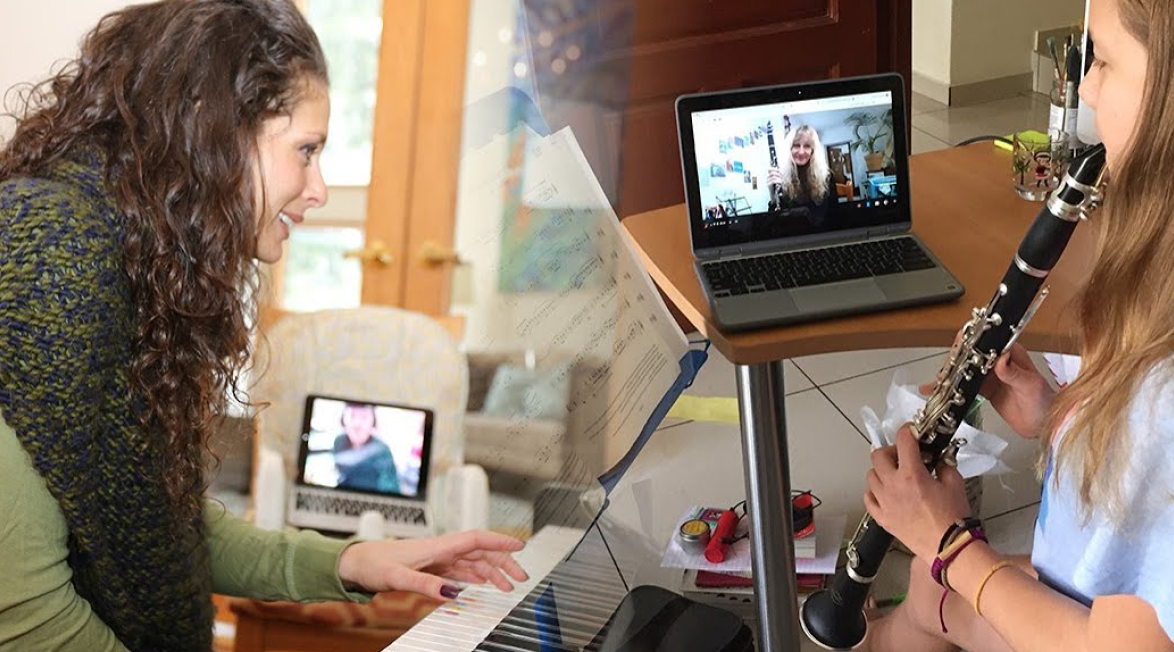
Fun is important because students are more likely to practice consistently when music feels enjoyable, creative, and personally meaningful. Enjoyment plays a major role in long-term music learning because students repeat activities they genuinely like. When practice feels exciting, learners are more willing to return to their instrument, even when skills become challenging. Fun does not mean removing structure; it means using engaging songs, creative exercises, and achievable goals to keep motivation strong. A student who enjoys the process is more likely to build consistent practice habits and stay patient during difficult stages. This is especially important for beginners and young learners, but adults also benefit from a positive learning experience. When music feels rewarding, consistency becomes easier to maintain.
A Learning Approach That Connects Passion with Progress
Personalized Learning Approach
Encouraging Artistic Expression
Tracking Growth Over Time
What Instruments Can Students Learn While Keeping Practice Fun?
Students can keep practice fun with many instruments by using songs, creative exercises, and age-appropriate goals that match their interests.
Instruments and Learning Activities
- Piano: Learn melodies, chords, rhythm, classical pieces, pop songs, or jazz patterns.
- Guitar: Build chord transitions, strumming, rhythm, riffs, and song-based confidence.
- Voice Training: Develop pitch, tone, breathing, expression, and performance comfort.
- Drums: Improve timing, coordination, groove, and dynamic control through rhythm practice.
- Violin and Other Instruments: Explore technique, tone, posture, and expressive musical playing.
What Makes Music Practice More Engaging?
Interactive Digital Learning Tools
Encouragement Through Play and Performance
Building Discipline Through Enjoyment
How Can Music Learning Stay Professional Without Feeling Stressful?
How Can Busy Students Stay Consistent with Music Practice?
Busy students stay consistent by using flexible routines, short practice sessions, realistic goals, and easy ways to catch up when schedules change.
Convenient Scheduling Options
Music practice becomes easier when it fits naturally into daily life. Morning, evening, or weekend practice options help students maintain consistency around school, work, and family responsibilities. Flexible timing reduces pressure and makes music easier to sustain.
Easy Rescheduling and Catch-Up Practice
Unexpected events can interrupt practice, but learners do not need to lose progress. Catch-up routines, review sessions, and shorter focused practice blocks help students return quickly after missed days. This keeps momentum strong.
Learn Anytime, Anywhere
How Does Music Build Confidence and Creativity?
Start learning today with 50% off your first lesson on the instrument of your choice!
How Can Technology Make Music Practice More Enjoyable?
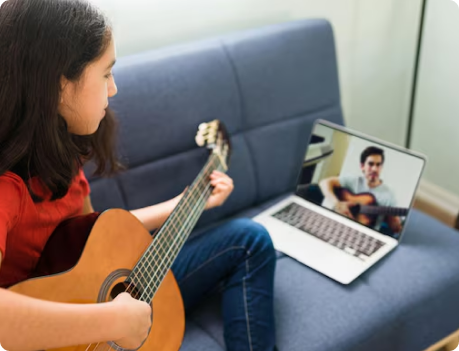
Learning Music from Anywhere—Montreal and Beyond
Start Your Musical Journey with WIMA Today
Frequently Asked Questions
1. How can music learning become more fun?
Music learning becomes more fun when students practice songs they enjoy, use creative exercises, set small goals, and celebrate progress regularly.
2. Why is consistency important when learning music?
Consistency helps students build muscle memory, improve timing, and develop confidence. Regular practice creates steady progress over time.
3. How can students stay motivated to practice music?
Students stay motivated by choosing enjoyable songs, tracking progress, using interactive tools, and setting realistic milestones that feel achievable.
4. What makes music practice more engaging?
Music practice becomes more engaging when it includes play-along tracks, creative challenges, performance goals, and activities that match the learner’s interests.
5. How often should students practice music?
Short, focused practice sessions several times per week are more effective than long, irregular sessions. Consistency matters more than session length.
6. How does technology make music learning more enjoyable?
Technology makes music learning more interactive through metronome apps, backing tracks, recordings, digital sheet music, and progress-tracking tools.
7. Can busy students stay consistent with music practice?
Yes, busy students can stay consistent by using flexible routines, shorter practice blocks, and simple catch-up plans when schedules change.
8. How does music build confidence and creativity?
Music builds confidence through visible progress and achievement. It supports creativity by allowing students to explore songs, sounds, improvisation, and personal expression.