How to Learn an Instrument at Home: Beginner’s Guide

Learning an instrument at home has become easier, more flexible, and more accessible than ever before. Beginners no longer need to feel limited by location, travel time, or rigid schedules when starting their musical journey. With the right setup, practice routine, and learning plan, students can build real musical skills from the comfort of home. Whether the goal is to learn piano, guitar, voice, violin, drums, or another instrument, home learning works best when it combines structure with consistency. A calm environment, useful tools, and clear goals help beginners stay motivated while developing confidence. With the right approach, learning music at home can be enjoyable, effective, and deeply rewarding.
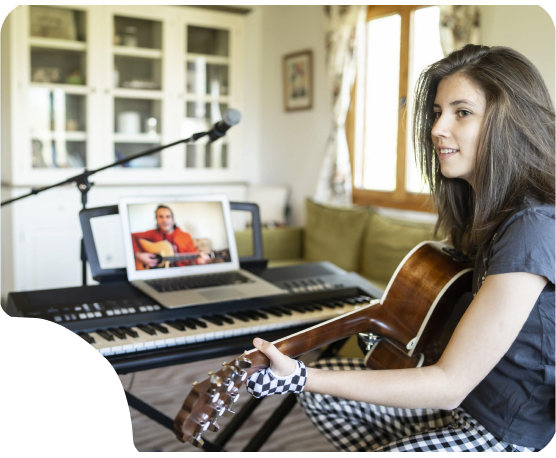
Why Is Learning an Instrument at Home a Good Option?

Learning an instrument at home is a good option because it offers flexibility, comfort, and easier access to consistent practice. Learning from home removes many common barriers that prevent beginners from staying consistent. Without long commutes or strict travel schedules, students can fit practice into daily routines more easily. A familiar home environment also helps learners feel relaxed, especially during the early stages when mistakes are normal. With a basic device, instrument, and practice space, beginners can access learning resources, follow structured exercises, and improve at their own pace. This approach is especially helpful for busy families, students, and adults balancing multiple responsibilities. When home learning is organized properly, it allows music practice to become a natural part of everyday life instead of an extra burden.

How Can Home Music Learning Feel Engaging and Structured?

Home music learning becomes engaging when lessons include clear goals, interactive activities, personalized practice, and steady feedback.

Interactive and Engaging Practice

Home practice should feel active, not repetitive or passive. Beginners can use call-and-response exercises, play-along tracks, rhythm games, and short challenges to stay focused. These interactive methods make learning more enjoyable and help students understand timing, listening, and coordination. When practice feels engaging, learners are more likely to return consistently and build stronger musical habits.

Customized Learning Paths

Every beginner starts with different goals, interests, and learning speeds. A customized path helps students focus on what matters most for their instrument. Some learners may begin with basic rhythm, while others focus on posture, tone, or simple songs. This personalized structure keeps progress realistic and motivating.

Accessible Across Montreal

Home learning can still feel connected to a local music community. Students in Pointe-Claire, Côte Saint-Luc, Beaconsfield, Saint-Laurent, and the wider Montreal area can benefit from local inspiration while practicing from home. This connection helps learners feel supported, even when most practice happens independently.

What Instruments Can Beginners Learn at Home?

Beginners can learn many instruments at home, including piano, guitar, voice, violin, drums, woodwinds, and brass, when practice is structured properly.
$

Piano & Keyboard – Perfect for beginners and advanced players.

$

Guitar & Bass – Acoustic, electric, and bass guitar lessons.

$

Voice Training – Vocal coaching for all styles and ranges.

$

Violin & Strings – Individualized training for string instruments.

$

Drums & Percussion – Learn rhythm and timing at home.

$

Woodwinds & Brass – Clarinet, flute, saxophone, trumpet, and more.
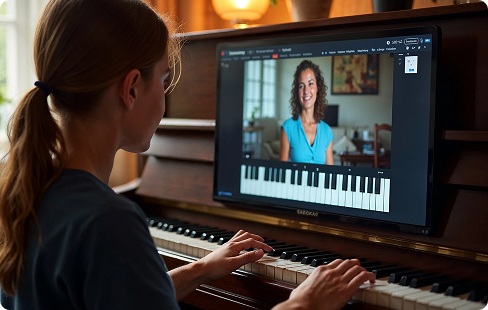
How Does Learning Music at Home Build Discipline and Confidence?

Learning music at home develops discipline because progress depends on regular, focused practice. Beginners learn to follow routines, repeat exercises, and stay patient when skills take time to improve. This process builds concentration and teaches learners how small efforts can create visible progress. Confidence also grows as students master simple rhythms, melodies, chords, or songs in their own environment. Practicing at home can feel less intimidating, allowing learners to make mistakes without pressure. Over time, this comfort encourages creativity and stronger commitment. Whether a learner is in Montreal, Beaconsfield, or Saint-Laurent, a steady home practice routine can support both musical development and personal growth.

What Role Does Technology Play in Learning an Instrument at Home?

Technology supports home music learning by improving feedback, organization, practice tracking, and access to useful learning tools.

High-Quality Video and Audio

Clear video and audio help learners observe technique, posture, and sound quality more accurately. For beginners, this can make it easier to notice mistakes and understand demonstrations. Good sound also helps with pitch, rhythm, and tone development. A basic setup with proper lighting and clear audio can make home learning feel more focused and effective.

Digital Tools and Apps

Music apps can support practice through metronomes, tuners, notation tools, backing tracks, and rhythm exercises. These resources help beginners practice with more structure between sessions. When used consistently, digital tools make learning more interactive and help students stay accountable.

Seamless Communication

Sharing sheet music, practice notes, recordings, and short video clips helps learners review progress more easily. This keeps practice organized and allows students or parents to track improvement over time.

How Does Personalized Learning Help Beginners Improve?

Personalized learning helps beginners improve because it matches practice to their instrument, goals, age, and learning style. Some students need help with rhythm and coordination, while others need support with pitch, posture, or reading music. A personalized approach prevents learners from feeling overwhelmed by focusing on the most important next step. Beginners can start with simple exercises, then gradually move into songs, technique, and creative exploration. This makes progress feel achievable and keeps motivation high. Parents can also stay more involved when learning happens at home, helping children maintain routines and celebrate progress. Personalization ensures that every learner feels supported while building skills at a comfortable pace.

Start learning today with 50% off your first lesson on the instrument of your choice!
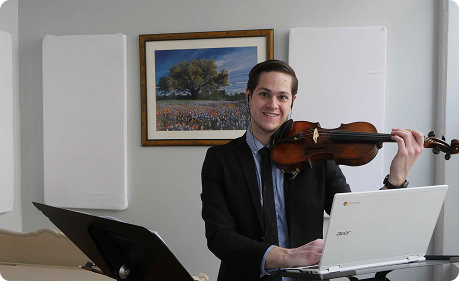
How Can Home Music Practice Encourage Creativity?

Home music practice encourages creativity by giving learners a comfortable space to explore sounds, songs, and musical ideas. Beginners can experiment with rhythms, melodies, styles, and simple compositions without feeling judged. This freedom helps students develop confidence and discover what kind of music they enjoy most. Creative practice may include changing a song slightly, improvising a short melody, writing lyrics, or playing along with favorite tracks. While structure is important, creativity keeps learning enjoyable and personal. Over time, students begin to see music as more than exercises; it becomes a form of expression. This balance of structure and creativity makes home learning more meaningful and sustainable.

What Should Beginners Expect When Learning an Instrument at Home?

Beginners should expect to start with basic setup, simple exercises, goal setting, structured practice, and regular feedback.

Initial Assessment and Goal Setting

The first step is understanding the learner’s starting point, instrument choice, and goals. Beginners should identify whether they want to play songs, improve rhythm, sing confidently, or build general music skills. Clear goals make practice easier to organize and help learners measure progress. This early planning creates direction and reduces confusion.

Lesson Structure and Activities

A strong beginner routine usually includes warm-ups, technical exercises, rhythm or note practice, and song application. This structure helps students build both skill and musical enjoyment from the beginning. Short, consistent sessions are often more effective than long, irregular practice.

Ongoing Support and Feedback

Feedback helps beginners stay on track and correct mistakes early. This can come from self-recording, parent support, practice notes, or guided review. Regular feedback keeps progress visible and motivation stronger.

Is Learning at Home Better Than In-Person Music Learning?

Learning at home and in-person learning can both work well; the best choice depends on the learner’s schedule, goals, and need for direct support. Home learning offers flexibility, convenience, and a relaxed practice environment, while in-person learning provides direct interaction and physical presence. Beginners may enjoy learning from home because it reduces travel time and makes practice easier to fit into daily life. In-person settings can help students who need more immediate correction, performance preparation, or hands-on support. Both formats can be effective when they include structure, consistency, and clear goals. Some learners may even benefit from combining both approaches. The most important factor is not the format itself, but whether the learner practices regularly, receives helpful feedback, and stays motivated throughout the process.

Start Your Musical Journey with West Island Music Academy

The opportunity to learn music has never been more accessible. With online music lessons, students across Montreal and surrounding areas—including Pointe-Claire, Côte Saint-Luc, Beaconsfield, and Saint-Laurent—can connect with expert instructors and achieve their musical goals. West Island Music Academy is committed to offering a modern, flexible, and inspiring approach to music education. No matter your age, instrument, or level of experience, our music school can help you grow as a musician. Contact us today to book your first lesson and begin your journey into the world of music.

Frequently Asked Questions

1. Can beginners learn an instrument at home?
Yes, beginners can learn an instrument at home with a clear routine, the right setup, and consistent practice. Starting with simple exercises helps build confidence and steady progress.
2. What is the best instrument to learn at home?
Piano, guitar, voice, violin, drums, and many woodwind or brass instruments can be learned at home. The best choice depends on interest, space, noise level, and learning goals.
3. What does a beginner need to start learning music at home?
A beginner needs an instrument, a quiet practice space, basic learning materials, and a simple practice plan. Tools like a metronome, tuner, or backing tracks can also help.
4. How often should beginners practice an instrument at home?
Beginners should practice regularly in short, focused sessions. Practicing 15–30 minutes several times per week is often more effective than long, irregular sessions.
5. How does technology help with home music learning?
Technology supports home learning through video guidance, metronome apps, tuners, backing tracks, recordings, and digital sheet music. These tools make practice more organized and interactive.
6. Is learning an instrument at home as effective as in-person learning?
Learning at home can be effective when practice is structured and consistent. In-person learning may provide more direct support, but both formats can work well with clear goals and feedback.
7. How can beginners stay motivated while learning at home?
Beginners can stay motivated by setting small goals, learning simple songs, tracking progress, and practicing music they enjoy. Celebrating small wins helps maintain consistency.
8. What should beginners expect in the first few weeks?
Beginners should expect to learn basic setup, simple exercises, rhythm, posture, and early songs or patterns. Progress may feel gradual, but regular practice builds confidence over time.