
Violin Basics for Beginners: Technique & Rhythm
Learning violin as a beginner requires patience, structure, and a clear understanding of the basics. Before students can play full songs confidently, they need to develop posture, bow control, rhythm, finger placement, and listening skills. These early foundations shape how comfortable and accurate the player becomes over time. A beginner who starts with correct technique is less likely to develop habits that slow progress later. Rhythm is equally important because it helps students understand timing, bow movement, and musical flow. With a step-by-step approach, beginners can build confidence without feeling overwhelmed. The goal is not to rush, but to create a strong musical foundation that supports long-term violin growth.
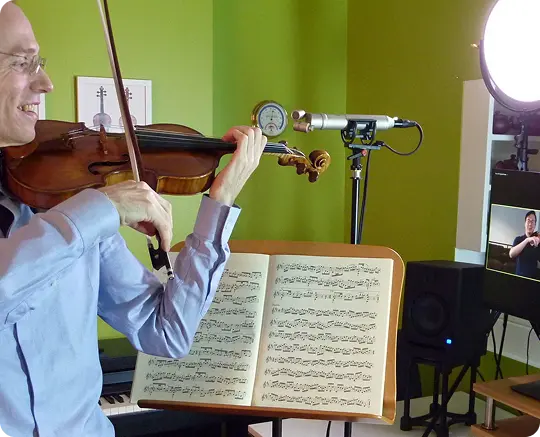
What Violin Basics Should Beginners Learn First?
Beginners should first learn posture, bow control, rhythm fundamentals, note reading, finger placement, and basic sound production. Beginner violin training should begin with the physical setup of the instrument and simple rhythm work. Students need to understand how to hold the violin securely, place the bow correctly, and produce a clean sound on open strings. These early skills help create comfort and control before more complex finger patterns are introduced. Rhythm should also be practiced early because steady timing supports bow movement and musical confidence. Beginners who develop these basics gradually are more likely to avoid tension and frustration. A structured approach ensures that each new skill builds naturally on the previous one, creating a strong foundation for future progress.
Why Are Technique and Rhythm So Important for Beginners?
Technique and rhythm are important because they help beginners play with control, accuracy, comfort, and steady musical timing. Technique and rhythm form the base of violin playing. Without proper posture, bow control, and hand position, students may struggle with tone quality, intonation, and coordination later. Rhythm helps beginners understand how music moves, making it easier to play simple melodies with confidence. Strong early technique also prevents unnecessary tension, which can make practice uncomfortable or discouraging. Beginners should focus on slow, careful movement before trying to play faster pieces. This helps build muscle memory and awareness. When technique and rhythm are developed together, students gain better control of the instrument and feel more prepared to move into songs, scales, and expressive playing.
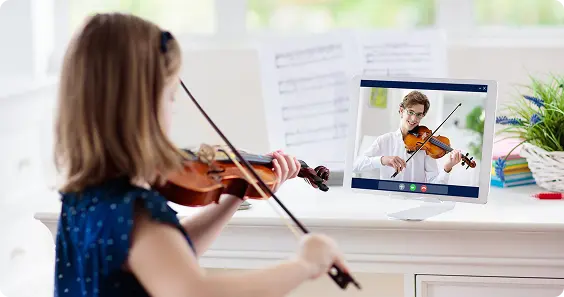
Key Advantages of Learning Violin Basics Properly
Learn in a familiar and relaxed setting
Maintain consistent weekly practice routines
Receive focused guidance and useful feedback
Progress at a pace suited to beginner needs
How Is Beginner Violin Technique Taught Effectively?
Beginner violin technique is taught effectively through clear demonstration, close observation, slow repetition, and immediate correction. Violin technique requires careful attention to small details, especially in the beginning. Students need to understand how the bow moves, how the left hand stays relaxed, and how posture supports sound quality. Clear demonstrations help beginners see what correct movement looks like, while close observation helps identify mistakes early. Slow repetition is important because it allows students to build accuracy before speed. Beginners should also listen carefully to tone and pitch, as sound quality reveals whether technique is improving. With steady correction and patient practice, students develop stronger control over the instrument. This method prevents bad habits and builds a more confident foundation.
How Can Beginners Develop Better Rhythm on Violin?
Beginners develop better rhythm by practicing counting, steady bow strokes, simple patterns, and gradual tempo control. Rhythm is one of the most important beginner violin skills because it supports timing, coordination, and musical flow. Students should begin by counting beats out loud, clapping simple rhythms, and practicing steady bow strokes on open strings. These exercises help connect body movement with musical timing. Once beginners feel comfortable, they can add simple note patterns and gradually increase tempo. Practicing slowly is essential because accuracy matters more than speed. Rhythm also helps students feel more confident when playing short melodies or practicing with a metronome. Over time, consistent rhythm work improves coordination and prepares beginners for more advanced pieces and ensemble playing.
What Should a Beginner Violin Practice Session Include?
A beginner violin practice session should include warm-ups, posture checks, review, one new skill, rhythm work, and clear practice goals. Consistency plays a major role in beginner violin success. A structured practice session helps students stay focused and avoid feeling overwhelmed. Each session should begin with a posture and bow hold check to make sure the body is relaxed and balanced. Reviewing previously learned exercises helps reinforce memory and technique. After that, beginners can work on one new concept, such as a rhythm pattern, bowing movement, or simple note reading. Rhythm-focused playing should remain part of every session because timing supports musical confidence. Ending with clear goals gives students direction for the next practice. This simple structure makes progress easier to track and maintain.
Typical Beginner Violin Practice Structure
How Can Beginners Choose the Right Violin Learning Support?
Online Violin Lessons Compared to Traditional Violin Classes
Practice Expectations for Beginner Online Violin Students
Beginners are encouraged to practice regularly, focusing on posture, bow control, and rhythm rather than speed. Short, consistent practice sessions help reinforce lesson material and build confidence gradually. Instructors provide clear practice goals after each lesson, ensuring students know exactly what to work on between sessions.
Start learning today with 50% off your first lesson on the instrument of your choice!
Long-Term Benefits of Starting Violin Online
Learning Violin From Home With Confidence
Frequently Asked Questions
1. What are the most important violin basics for beginners?
The most important violin basics include posture, bow hold, finger placement, rhythm, note reading, and basic sound production.
2. Why is technique important for beginner violin students?
Technique is important because it helps beginners play with better control, comfort, and accuracy. Strong technique also prevents bad habits from developing early.
3. How can beginners improve rhythm on violin?
Beginners can improve rhythm by counting beats, practicing steady bow strokes, using simple rhythm patterns, and gradually increasing tempo.
4. What should a beginner violin practice session include?
A beginner practice session should include warm-ups, posture checks, review exercises, one new skill, rhythm practice, and clear practice goals.
5. How often should beginners practice violin?
Beginners should practice regularly in short, focused sessions. Consistent practice several times per week helps build muscle memory and confidence.
6. What is the best way to learn violin basics?
The best way to learn violin basics is through a structured approach that teaches posture, bowing, rhythm, and note reading step by step.
7. Can violin basics be learned at home?
Yes, violin basics can be learned at home when students follow clear practice routines, receive feedback, and focus on proper technique from the beginning.
8. What are the long-term benefits of strong violin basics?
Strong violin basics help students develop better tone, timing, confidence, and musical independence. They also prepare learners for scales, songs, and advanced techniques.