What to Expect When Learning Drums in Montreal
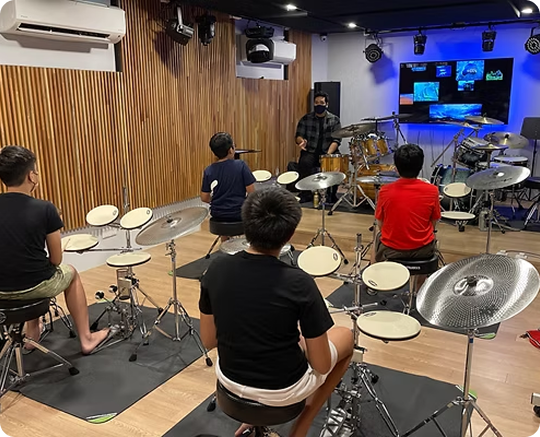
Learning drums in Montreal offers an engaging and structured way to develop rhythm, coordination, and musical confidence. Whether someone is starting from scratch or building on existing skills, understanding what to expect helps create realistic goals and a smoother learning experience. Drumming is both physical and creative, requiring focus, repetition, and steady progress over time. In a city like Montreal, where music culture is diverse and active, learners are exposed to a variety of styles and influences that enhance their growth. By following a structured approach and practicing consistently, students gradually build control, timing, and musical awareness, making the learning process both rewarding and enjoyable.

Why Learning Drums Builds Strong Musical Skills

Learning drums develops essential musical abilities that extend beyond simply playing rhythms. It improves timing, coordination, and listening skills, all of which are important for understanding how music works as a whole. Drummers learn how to maintain a steady tempo while coordinating multiple movements, which strengthens both mental focus and physical control. Over time, these skills help learners adapt to different styles and musical situations. A structured approach ensures that progress is steady and measurable, allowing students to build confidence as they improve. Learning drums also enhances creativity, as students begin to experiment with patterns and develop their own sense of rhythm and expression through consistent practice.
What Makes WIMA a Top Choice for Drum Classes

At West Island Music Academy, students benefit from:

Personalized one-on-one drum lessons for all skill levels

Professional drummers who bring real performance experience

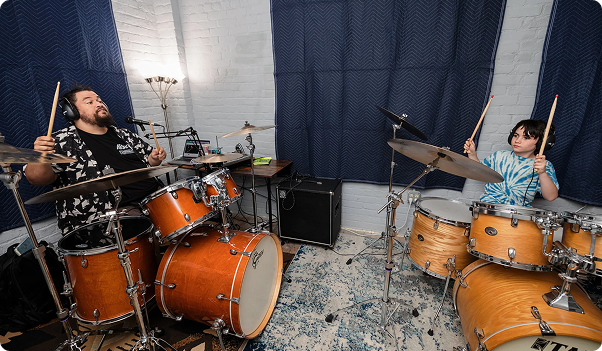
Fully equipped rooms ideal for drum classes on acoustic and electronic kits

A patient, supportive atmosphere for kids, teens, and adults

Band programs, recitals, and recording opportunities for motivated drummers

A Teaching Approach Designed for Real Musical Skills

Our drum lessons focus on building real skills that students can use in band settings, home practice, or live performances. Instructors guide learners through commonly used techniques while also encouraging creativity and exploration. Each session blends structured exercises with fun, interactive drumming, allowing students to grow at their own pace. We break down patterns gradually so students can tackle advanced rhythms with confidence. These drum classes help students understand stick control, posture, grip, and coordination while gradually introducing more challenging material. With consistent practice and expert coaching, drummers become well-rounded musicians ready for any musical path they choose.

How Students Progress When Learning Drums

Progress in drumming happens gradually, with each stage building on previously learned skills. Beginners start by developing basic stick control, simple rhythms, and coordination between hands and feet. As they gain confidence, they move on to more complex grooves, improved timing, and dynamic control. Intermediate learners begin exploring different styles and refining their technique, while advanced players focus on precision, speed, and expression. This structured progression ensures that students do not rush through concepts but instead develop strong fundamentals. Over time, learners become more comfortable with a variety of rhythms, allowing them to play with greater confidence and adaptability in different musical situations.

Learning Styles That Adapt to Every Drummer

We tailor our drum classes based on each student’s learning style:
$
Beginners: foundational rhythm work, simple beats, posture, fun songs
$
Intermediate players: dynamic control, musical expression, reading charts
$
Advanced drummers: advanced rudiments, improvisation, stylistic mastery
$
Kids & Teens: energetic and engaging drum lessons
$
Adults: flexible, personalized drum classes that match individual goals

Experience the Energy of Playing Music with Others

Drumming becomes even more exciting when shared with other musicians, and our band programs make that possible. These group experiences complement individual drum lessons by helping students understand timing, teamwork, and musical communication. Playing alongside guitarists, singers, and bassists strengthens listening skills and rhythmic precision. Recitals and performances allow students to apply what they learn in drum classes in real musical settings, boosting confidence and stage presence. Whether students dream of playing casually or performing onstage, these collaborative opportunities enrich their drumming journey and inspire deeper musical passion.

Modern Facilities Designed for Drum Training

Our Montreal and West Island studios provide a professional environment where students can enjoy productive and comfortable drum lessons. Each room features quality equipment, including well-maintained acoustic and electronic drum kits suited for a variety of drumming styles. Sound-treated spaces create ideal practice conditions where students can focus fully on rhythm and technique. Instructors use digital tools, play-along tracks, and recording resources that make drum classes interactive and engaging. These modern facilities help students feel confident from the first lesson and prepare them for both studio and live performance environments.

Start learning today with 50% off your first lesson on the instrument of your choice!

How Montreal’s Music Scene Influences Learning

Montreal’s diverse music culture creates a unique environment for learning drums and exploring different styles. Exposure to various genres, live performances, and musical communities helps students understand how rhythm is applied in real-world settings. This influence encourages learners to experiment with different grooves and develop their own musical preferences. Being surrounded by an active music scene also increases motivation and inspires consistent practice. Whether through listening, attending events, or collaborating with others, students gain a broader perspective on music. This connection to a vibrant cultural environment enhances learning and helps drummers become more versatile and expressive in their playing.

Why Location and Accessibility Matter for Consistency

Accessibility plays an important role in maintaining consistency when learning drums. When practice sessions are easy to attend and conveniently located, students are more likely to stay committed and follow a regular schedule. Convenience reduces missed sessions and helps build a routine that supports steady progress. Being part of a local learning environment also provides opportunities to interact with other musicians, which can improve motivation and engagement. A consistent schedule, combined with a supportive setting, allows learners to focus fully on skill development. Over time, this consistency leads to better coordination, improved timing, and a more enjoyable overall learning experience.

Conclusion: What You Can Expect When Learning Drums

Learning drums in Montreal provides a structured and rewarding path toward building rhythm, coordination, and musical confidence. By understanding how the learning process works, students can set realistic expectations and approach practice with a clear sense of direction. Each stage of learning introduces new challenges that gradually improve control and timing. A supportive environment, combined with consistent effort, helps learners stay motivated and make steady progress. Whether learning for personal enjoyment or long-term musical goals, drumming offers a creative and engaging experience. With patience and regular practice, students develop skills that extend beyond music and contribute to overall personal growth.

Frequently Asked Questions

1. What should beginners expect when learning drums?
Beginners can expect to start with basic rhythms, stick control, and coordination exercises. Early progress focuses on building timing and confidence through simple, structured practice.
2. How long does it take to learn drums as a beginner?
Most beginners can play simple beats within a few weeks, but improving coordination and timing takes several months. Consistent practice is key to steady progress.
3. What skills do you develop when learning drums?
Learning drums improves rhythm, coordination, timing, and focus. It also strengthens listening skills and helps develop overall musical awareness.
4. Do you need musical experience to start learning drums?
No prior musical experience is required to start learning drums. Beginners can build skills gradually through structured practice and repetition.
5. How are drum sessions usually structured?
Sessions typically include warm-ups, rhythm exercises, and practice of grooves or patterns. This structured approach helps learners improve step by step.
6. Is learning drums different for kids and adults?
Yes, kids often learn through interactive and playful methods, while adults prefer structured and goal-oriented practice. Both approaches lead to effective learning.
7. Can learning drums help with coordination and focus?
Yes, drumming requires coordination between hands and feet, which improves motor skills. It also enhances focus by requiring attention to timing and rhythm.
8. Why is consistency important when learning drums?
Consistency helps build muscle memory and improves timing over time. Regular practice leads to faster and more sustainable progress.