
What to Expect When Learning Piano for the First Time
Learning piano for the first time is an exciting step into music, creativity, and personal growth. Beginners often feel curious, nervous, or unsure about what will happen during the early stages, but the process is usually simple and supportive. The first experience focuses on getting comfortable with the instrument, understanding the keyboard, learning basic rhythm, and playing simple notes or melodies. Students are not expected to know everything right away. Instead, the goal is to build confidence slowly through clear guidance and achievable steps. With a calm approach, beginner piano learning becomes enjoyable, structured, and motivating, creating a strong foundation for future musical progress.
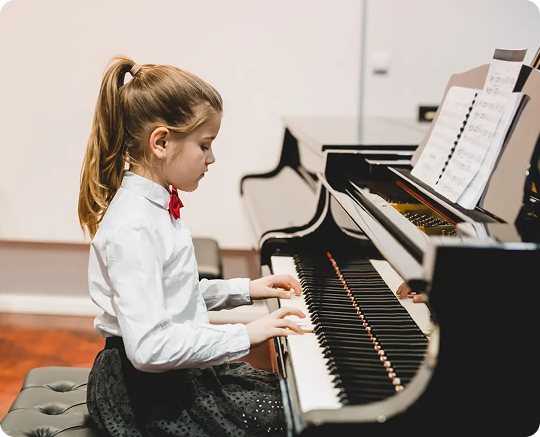
What Happens at the Beginning of Piano Learning?
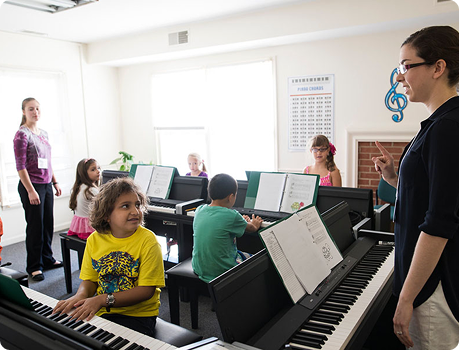
Beginners usually start by getting comfortable with the teacher, discussing musical goals, and understanding how the learning process will work.
First Steps May Include:
Friendly introduction and conversation
Questions about musical goals
Discussion of previous experience, if any
Overview of the learning structure
Introduction to learning materials or books
How Do Beginners Understand the Piano Keyboard?
Why Are Rhythm and Timing Introduced Early?
Rhythm and timing are introduced early because they help beginners understand musical pulse, steady counting, and coordination before playing harder pieces.
Rhythm Practice May Include:
When Do Beginners Start Playing Notes and Melodies?
What Technique Basics Should Beginners Learn First?
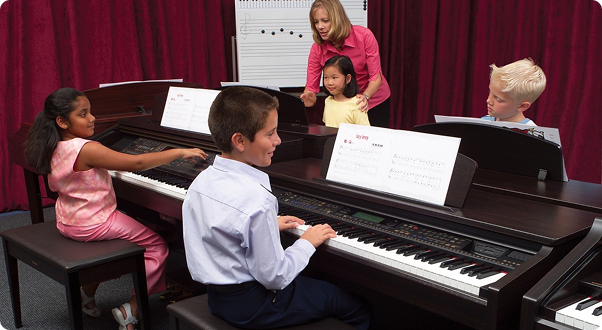
Comfortable posture
Bench placement
Relaxed arm and shoulder position
Balanced hand shape
Even pressure on the keys
How Is Reading Music Introduced to Beginners?
Start learning today with 50% off your first lesson on the instrument of your choice!
Why WIMA Is a Leading Piano School in Montreal
Goals and Next Steps After Your First Class
Conclusion: Your First Piano Class Is the Start of a Musical Journey
Frequently Asked Questions
1. What should beginners expect when learning piano for the first time?
Beginners should expect to learn keyboard layout, basic rhythm, simple notes, posture, hand position, and easy melodies in a step-by-step way.
2. Is learning piano for the first time difficult?
Learning piano can feel new at first, but beginners can progress steadily when lessons start with simple skills, clear guidance, and short practice goals.
3. What are the first things beginners learn on piano?
Beginners usually start with middle C, white and black key patterns, finger placement, basic rhythm, and simple one-hand melodies.
4. Why is rhythm important for beginner piano students?
Rhythm helps beginners understand timing, counting, and musical flow. It also prepares students for smoother hand coordination as they progress.
5. When do beginners start playing songs on piano?
Beginners often start playing simple melodies early. Easy songs help students build confidence and connect basic skills to real music.
6. What technique basics should piano beginners learn?
Piano beginners should learn proper posture, bench position, relaxed shoulders, balanced hand shape, and even pressure on the keys.
7. Is reading music hard for beginners?
Reading music may seem difficult at first, but beginners usually start with simple note names, middle C, and basic staff patterns before moving into harder pieces.
8. How can beginners keep improving after the first piano experience?
Beginners can keep improving by practicing short routines, reviewing simple melodies, working on rhythm, and following clear weekly goals.