
Why Personalized Piano Learning Helps Students Improve Faster
Personalized piano learning helps students improve faster because it removes the one-size-fits-all approach and focuses on the learner’s goals, pace, interests, and motivation. Every student begins with a different background, whether they are a child learning rhythm for the first time, a teen exploring creative identity, or an adult returning to music for personal fulfillment. A personalized path makes piano learning feel more relevant and enjoyable. Instead of only following generic exercises, students work on skills, songs, and techniques that connect to their musical direction. This keeps motivation high while building stronger technique, confidence, creativity, and long-term consistency.
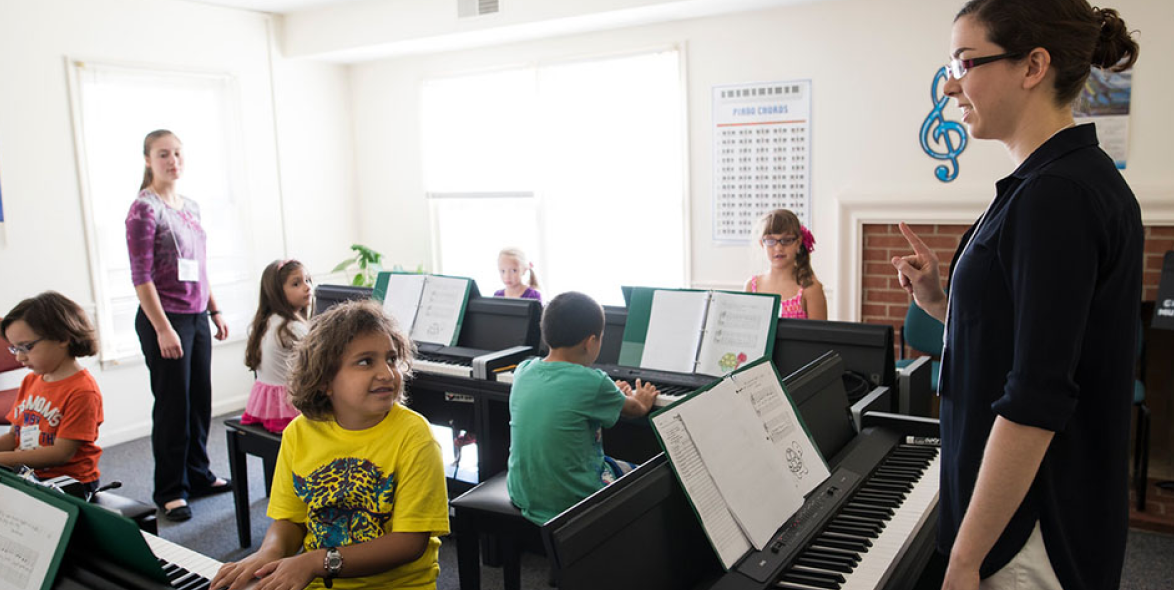
The Music Academy in Montreal That Focuses on Real Music Growth Over Memorization
Many beginner students in Montreal become discouraged when they are taught to purely memorize pieces rather than understand music deeply. At our music academy, the teaching philosophy is rooted in nurturing fluent musicianship—not robotic repetition. This means students learn the “why” behind the “how.” They absorb the architecture of music: rhythm, harmony, phrasing, dynamics, and stylistic interpretation. With this instructional approach, students gain the ability to interpret new pieces independently, explore creative expression, and eventually adapt across genres. Rather than training students to copy, we train them to think and feel the music. WIMA’s vision is to shape musicians who become confident at the instrument, whether they want to audition, perform at recitals, join bands, compose original pieces, or simply enjoy playing at home.
How Should Piano Learning Change by Age and Goal?
Piano learning should change by age and goal because children, teens, and adults need different pacing, motivation, and practice methods.
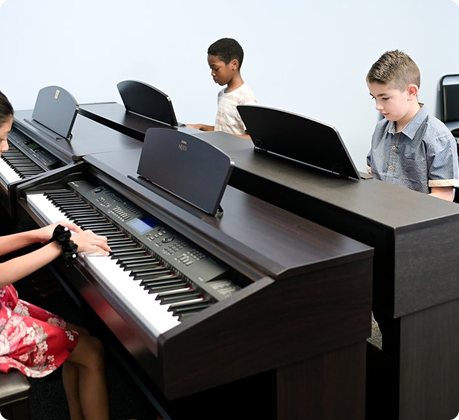
Younger students benefit from guided play-based learning to develop rhythm naturally
Teens often seek creative identity, genre exploration, and freedom in song choice.
Adults may pursue piano for confidence, stress relief, or lifelong hobby fulfillment.
Every age group requires a different learning pace and instructional style.
Lesson customization helps prevent plateaus and supports meaningful skill growth.
Every learner brings a different story to the piano, so the learning path should reflect that. Children may need playful structure, while teens may need creative freedom and adults may need flexible goals. A personalized approach helps students feel seen and supported. Whether the goal is classical training, film music, pop piano, songwriting, or personal enjoyment, customization helps piano become a long-term skill instead of a short-term interest.
What Should a Personalized Piano Practice Structure Include?
How Does Feedback Help Piano Students Improve Faster?
How WIMA Integrates Theory, Creativity, and Performance
Why Community Matters and How WIMA Builds a Supportive Environment
Start learning today with 50% off your first lesson on the instrument of your choice!
What Makes Personalized Piano Learning Modern and Realistic?
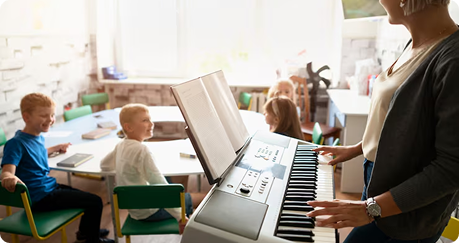
What Supports a Modern Learning System
Schedules that work around school, sports, or adult working life
Instructors who understand both traditional and modern music styles
Curriculum that moves toward the student’s preferred genres and goals
A blend of classical foundation with contemporary artistry
Long-term motivation through emotional connection to music
Piano Lessons in Montreal Designed for Lifelong Learners
Conclusion: Begin Your Music Journey with a Team That Believes in Your Potential
Frequently Asked Questions
1. Why does personalized piano learning help students improve faster?
Personalized piano learning helps students improve faster because practice, goals, feedback, and music choices are adapted to their skill level, interests, and pace.
2. How does personalized piano learning keep students motivated?
Students stay motivated when they practice music they enjoy, follow realistic goals, and feel that their learning path matches their personal interests.
3. Why should piano learning be different for children, teens, and adults?
Children, teens, and adults learn differently. Children may need playful structure, teens may need creative freedom, and adults often benefit from flexible goals and pacing.
4. What should a personalized piano practice routine include?
A personalized routine may include warm-ups, technique exercises, repertoire practice, rhythm work, new concepts, guided review, and clear home practice goals.
5. How does feedback improve piano progress?
Feedback helps students understand what they are doing well and what needs correction. It improves rhythm, technique, posture, expression, and practice habits.
6. Why are theory and creativity important in piano learning?
Theory helps students understand how music works, while creativity helps them improvise, compose, interpret, and express ideas through piano.
7. How does community support piano students?
A supportive music community helps students stay inspired, share progress, learn from others, and build confidence through recitals, group activities, or peer encouragement.
8. Can personalized piano learning support lifelong progress?
Yes, personalized learning supports lifelong progress by keeping piano meaningful, flexible, and connected to each student’s changing goals, interests, and musical growth.