
Why Professional Guidance Matters When Learning Drums
Learning to play the drums is exciting, dynamic, and incredibly rewarding, especially when students begin with clear structure and professional guidance. Drumming develops rhythm, coordination, confidence, and musical awareness, but beginners often need support to understand proper technique and avoid early bad habits. At West Island Music Academy, students of all ages learn how skilled instruction can make progress feel natural and motivating. Whether someone is new to percussion or looking to refine technique, professional support helps learners build timing, groove, control, and musical expression at a comfortable pace. With personalized feedback and a supportive environment, students discover that learning drums is not only about playing beats but about becoming a confident musician.

Why Is Professional Guidance a Strong Starting Point for New Drummers?
What Should Students Expect from Professional Drum Guidance?
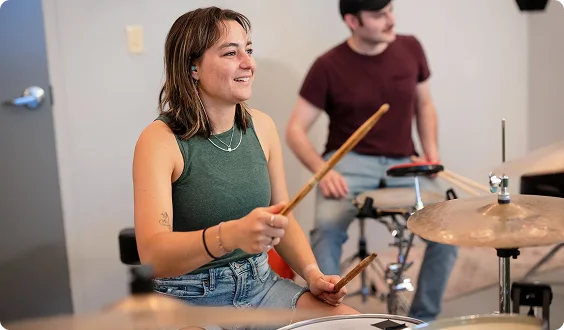
Technique-Based Drum Development
Students learn foundational elements like grip, stick control, posture, and relaxed movement.
Rhythm Development Through Guided Practice
Exercises with metronomes and grooves help teach timing, accuracy, tempo awareness, and steady pulse.
Exploring Musical Styles with Support
Students discover rock, jazz, funk, pop, and world drumming techniques through structured musical examples.
Guidance for At-Home Practice
Instructors provide routines that support continuous improvement between sessions.
Together, these features make professional guidance effective for both youth and adult learners because each skill is introduced with clarity, purpose, and feedback.
How Do Professional Instructors Improve Drum Learning?
Professional instructors improve drum learning by giving direct feedback, adapting instruction, correcting technique, and helping students understand difficult concepts. This accelerates progress. One of the biggest advantages of professional guidance is the teacher’s ability to see what students cannot always notice themselves. A skilled instructor can identify tension, uneven timing, poor stick control, posture issues, or coordination challenges early. They can then adjust exercises to match the student’s learning style and goals. Whether a learner is refining groove, improving footwork, or exploring a new genre, direct feedback makes improvement faster and more reliable. Students in Côte Saint-Luc often value how professional support makes challenging ideas feel accessible. With the right teacher, learning drums becomes educational, motivating, and enjoyable rather than frustrating or uncertain.
Why Do Rhythm, Coordination, and Confidence Need Structured Support?
How Does a Professional Music Environment Support Better Learning?
How Does Guidance Help Drummers Explore Musical Styles?
Practice Techniques That Improve Speed, Control, and Groove
Effective Drum Practice Strategies
Controlled tempo increases guided by a metronome
How These Techniques Strengthen Drum Skills
These practice methods are essential components of WIMA’s structured drum classes, supporting students as they refine precision, speed, and creativity. Combined with regular drum lessons, these techniques help drummers progress steadily.
Why Does Professional Guidance Support Long-Term Drum Growth?
Start learning today with 50% off your first lesson on the instrument of your choice!
Why Both Parents and Adult Beginners Choose WIMA for Drum Lessons
Conclusion: Start Your Drumming Journey with Confidence at WIMA
Frequently Asked Questions
1. Why does professional guidance matter when learning drums?
Professional guidance helps students build proper technique, timing, coordination, and rhythm from the start. A teacher can correct mistakes early and make learning more structured and enjoyable.
2. What should beginners learn first when starting drums?
Beginners should first learn proper grip, posture, stick control, basic rhythms, timing, and drum kit awareness. These foundations help prevent bad habits and support long-term progress.