
How Interactive Practice Helps Beginners Learn Violin Faster
Learning violin can feel exciting but also challenging for beginners because the instrument requires posture, bow control, finger placement, listening skills, and steady rhythm from the start. Interactive practice helps make this process easier by turning learning into an active, feedback-based experience instead of simple repetition. When beginners receive guidance, use helpful tools, and practice with clear goals, they can correct mistakes earlier and build confidence faster. This approach keeps students engaged while helping them understand how each technique connects to real music. Whether a child is starting their first instrument or an adult is returning to music, interactive violin practice creates a stronger, more enjoyable path toward progress.
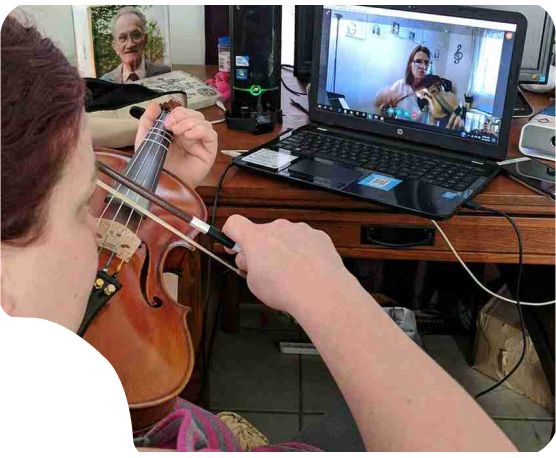
Why Does Interactive Practice Help Beginners Learn Violin Faster?
Interactive practice helps beginners learn violin faster because it provides feedback, structure, and active engagement while students build essential technique. Beginners often struggle when they practice without knowing whether their posture, bow hold, or finger placement is correct. Interactive practice solves this by making learning more responsive and focused. Instead of repeating mistakes, students can adjust their technique through feedback, demonstrations, recordings, and guided exercises. This helps learners stay motivated because they can see and hear improvement more clearly. Interactive practice also allows students to review difficult sections at their own pace, which supports better understanding and confidence. For learners in Pointe-Claire, Côte Saint-Luc, Montreal, and nearby communities, this kind of flexible practice can make violin learning easier to fit into everyday life while still supporting steady progress.
How Does Interactive Learning Improve Violin Technique?
How Can Beginners Keep Violin Practice Structured and Flexible?
Personalized Curriculum
Every beginner learns violin at a different pace, so practice should follow a plan that matches the student’s goals and comfort level. Some learners may focus first on posture, bowing, and simple rhythms, while others may quickly move into beginner songs or reading music. A personalized routine helps students strengthen technique and musicality without feeling rushed. This structure keeps practice organized while still allowing room for creativity and growth.
Adapting to Your Schedule
Busy routines can make music practice difficult, so flexibility matters. Short, focused violin sessions can fit around school, work, or family commitments. When practice feels manageable, beginners are more likely to stay consistent. This adaptable format helps students keep learning without feeling overwhelmed.
Benefits of Interactive Violin Practice
Convenience: Practice can happen from home or any comfortable learning space.
Expert guidance: Feedback helps students correct mistakes and build stronger habits.
Personalized growth: Practice routines can match each learner’s goals and level.
Interactive tools: Digital resources support rhythm, intonation, and review.
Flexible scheduling: Short practice sessions can fit into daily life more easily.
Community connection: Students can stay motivated through shared musical experiences.
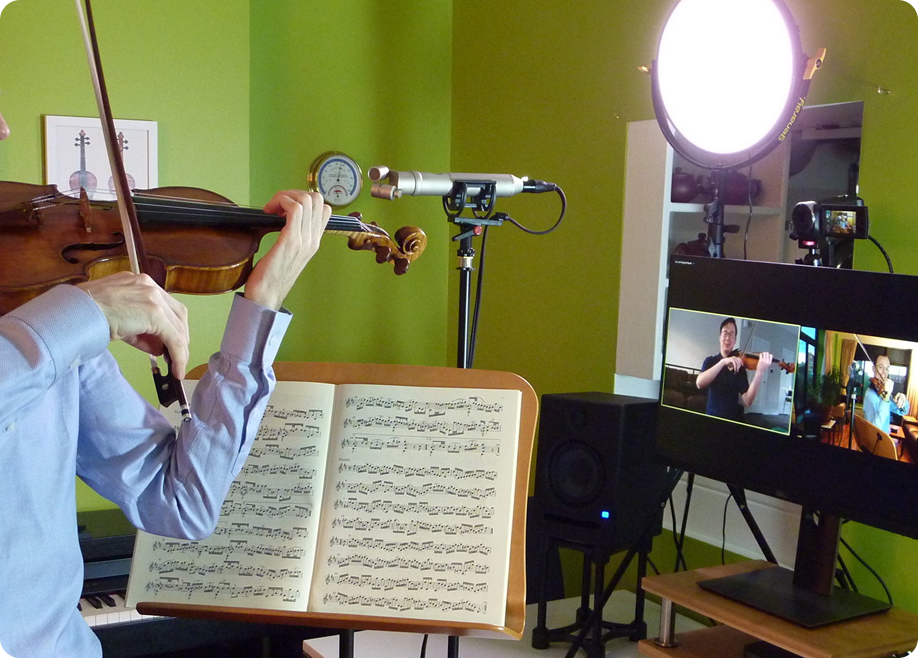
Why Is Technique Important for Beginner Violin Students?
How Does Interactive Practice Support Repertoire and Expression?
Interactive practice supports repertoire and expression by helping beginners connect technique with songs, dynamics, phrasing, and musical interpretation.
Classical and Contemporary Pieces
One of the most enjoyable parts of learning violin is exploring different types of music. Beginners may start with simple melodies before gradually moving into classical pieces, film music, folk tunes, or popular songs. Choosing pieces that match the student’s level keeps practice motivating while still building technique. This approach helps learners connect exercises to real music.
Developing Creativity and Expression
Violin practice should not only focus on notes and bowing drills. Students also need to develop expression through dynamics, phrasing, and interpretation. Interactive practice encourages learners to listen, adjust, and experiment with sound. Over time, this helps beginners develop confidence and a more personal musical voice.
How Can Music Community Keep Beginners Motivated?
Even when beginners practice from home or in a flexible setting, community can still support motivation. Virtual recitals, group workshops, shared recordings, and interactive sessions give students opportunities to celebrate progress and feel connected to others. These experiences help learners understand that violin practice is not only a private activity but also part of a larger musical journey. Families in Montreal and nearby neighborhoods often appreciate how community experiences encourage students to keep practicing. Adult learners also benefit from encouragement and shared musical goals. When beginners feel supported, they are more likely to stay consistent, build confidence, and continue improving over time.
Start learning today with 50% off your first lesson on the instrument of your choice!
Why West Island Music Academy Stands Out
Professional Teachers:
Musicians with years of performance and teaching expertise.
Customized Lessons:
Programs adapted to all ages and abilities.
Technology Integration:
Digital tools that enhance online violin classes.
Local Presence:
Strong roots in West Island and Montreal communities.
Flexible Options:
Both online and in-person classes available.
Track Record of Success:
Proven results with hundreds of dedicated students.
Each lesson is strategically designed by expert guitar teachers to ensure gradual progression with clear milestones.
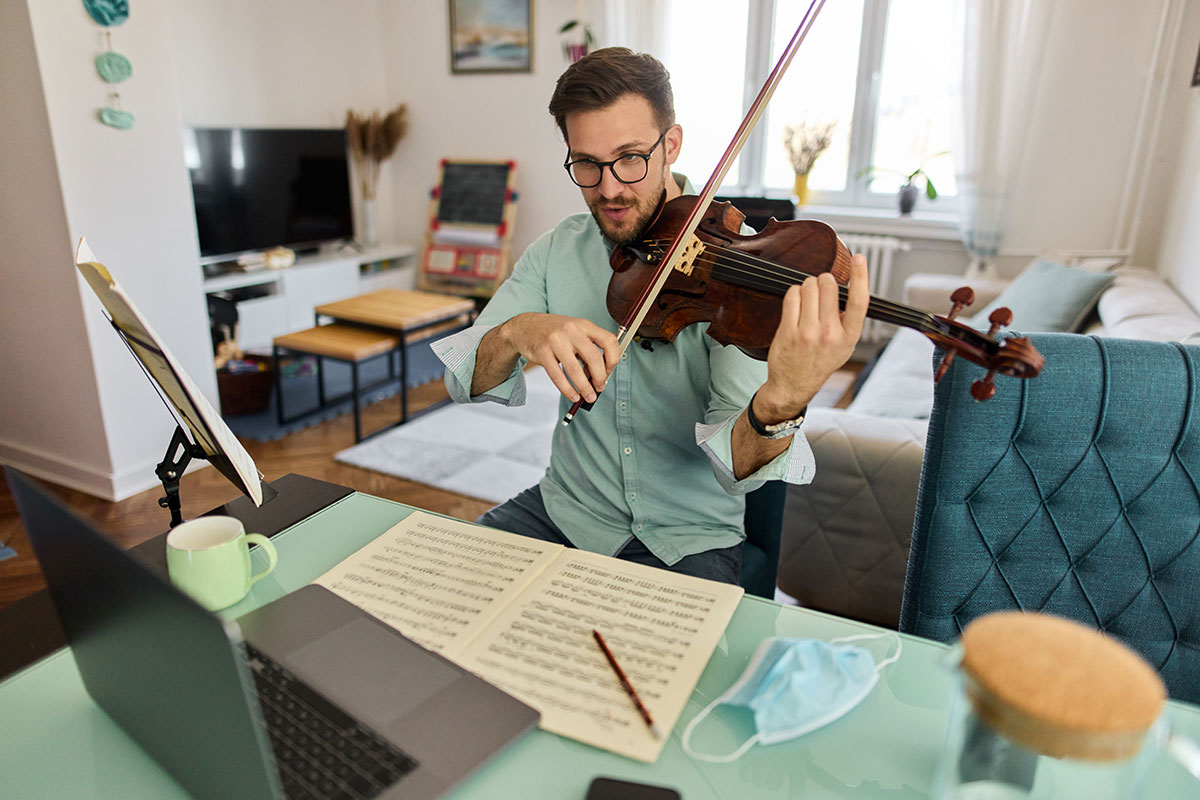
The Future of Music Education
Interactive violin practice reflects the future of music learning because it combines traditional skill-building with modern tools and flexible routines. Beginners can learn at their own pace while still receiving feedback, structure, and motivation. This approach is especially helpful for students who need convenience but do not want to sacrifice quality. Parents in Pointe-Claire and across West Island may find that interactive practice helps children stay engaged, while adults can use it to return to music without pressure. By blending strong fundamentals with accessible tools, violin learning becomes more practical, enjoyable, and sustainable. This balance supports long-term progress and keeps music connected to everyday life.
Conclusion: Start Your Musical Journey Today
Learning to play the violin is an exciting adventure, and interactive online violin lessons make it accessible to everyone. At West Island Music Academy, students in West Island, Montreal, and neighboring areas receive expert instruction, flexible scheduling, and a strong sense of community. Whether you’re a beginner picking up the violin for the first time or an advanced player seeking to refine your artistry, our violin classes provide the tools and guidance to help you succeed. Don’t wait to begin your journey—discover the joy of learning violin online and let your music shine.
Frequently Asked Questions
1. How does interactive practice help beginners learn violin faster?
Interactive practice helps beginners learn faster by providing feedback, structure, and active correction while they build posture, bowing, rhythm, and finger placement.
2. Why is feedback important for beginner violin students?
Feedback helps beginners correct mistakes early before they become habits. It improves posture, intonation, bow control, and overall playing confidence.
3. What should beginners focus on when learning violin?
Beginners should focus on posture, bow hold, finger placement, rhythm, intonation, and simple melodies. These basics create a strong foundation for future progress.
4. How can beginners make violin practice more engaging?
Beginners can make practice more engaging by using play-along tracks, simple songs, recordings, rhythm exercises, and short interactive practice goals.
5. Why is technique important when learning violin?
Technique is important because violin playing depends on precise movement, posture, and listening. Strong technique helps students play more accurately and comfortably.
6. Can beginners learn violin with short practice sessions?
Yes, short focused practice sessions can be effective when they are consistent. Regular practice helps build muscle memory, rhythm, and confidence over time.
7. How does learning songs help beginner violin students?
Learning songs helps beginners connect technique to real music. Simple melodies make practice more enjoyable and help students build confidence.
8. How can beginners stay motivated while learning violin?
Beginners can stay motivated by tracking progress, celebrating small milestones, practicing enjoyable pieces, and staying connected to a supportive music community.