
Is Violin Easy to Learn for Children and Adults?
The violin is one of the most beautiful and expressive instruments, but many beginners wonder whether it is easy to learn. The answer depends on age, practice habits, patience, and the type of guidance a learner receives. Children often adapt well when lessons are playful, structured, and confidence-building, while adults may progress faster when practice connects to personal goals and musical interests. The violin does require focus because posture, bow control, rhythm, and intonation all matter from the beginning. However, with a step-by-step approach, both children and adults can learn successfully. What makes violin rewarding is not instant ease, but steady progress, emotional expression, and long-term musical growth.
Is Violin Easy to Learn for Beginners?
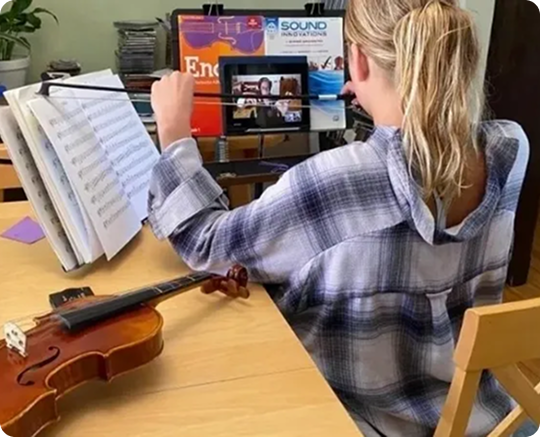
Violin can be challenging at first, but beginners can learn it successfully with proper posture, bow control, simple exercises, and consistent practice. Learning violin is not always easy in the beginning because the instrument requires coordination between the hands, ears, and body. Beginners must learn how to hold the violin comfortably, control the bow, place fingers accurately, and listen carefully for pitch. These skills take time to develop, especially because the violin has no frets to guide finger placement. However, this does not mean the instrument is too difficult. With patient instruction and short, consistent practice sessions, students gradually build control and confidence. Children and adults can both succeed when the learning process is broken into manageable steps. The key is steady progress rather than rushing.
Why Does Flexibility Make Violin Learning Easier?
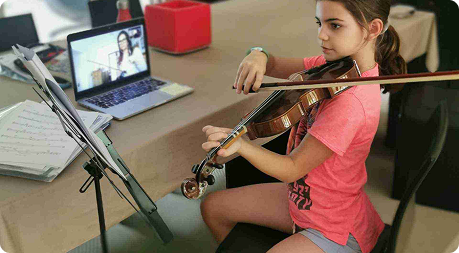
Flexibility makes violin learning easier because students can practice at a comfortable pace and build skills around their schedule. A flexible learning routine helps both children and adults stay consistent with violin practice. Instead of feeling pressured by long sessions or strict schedules, learners can focus on short, realistic practice blocks that fit daily life. This is especially helpful for busy adults balancing work and family, or children managing school and extracurricular activities. Flexibility also allows students to review difficult sections, repeat exercises, and track progress more comfortably. When practice feels manageable, motivation becomes easier to maintain. For learners in Montreal, West Island, and nearby communities, reducing barriers like travel time or schedule stress can make violin learning feel more accessible, enjoyable, and sustainable.
What Skills Should Beginner Violin Students Learn First?
Beginner violin students should first learn posture, bowing technique, music reading, finger placement, rhythm, and simple performance habits.
Essential Beginner Violin Skills
Posture and Bowing Technique: Develop proper positioning to create a clean, balanced sound.
Music Reading: Understand notation, rhythm, tempo, and simple musical patterns.
Scales and Finger Exercises: Build finger strength, agility, intonation, and coordination.
Performance Practice: Develop confidence through simple playing goals, feedback, and small recitals.
Each beginner skill supports long-term violin progress. Posture helps students avoid tension, while bowing technique affects tone and control. Music reading builds independence, and scale practice improves pitch accuracy. Performance practice is also valuable because it helps students become comfortable sharing their progress. When these skills are introduced gradually, children and adults can build a strong foundation without feeling overwhelmed.
What Are the Benefits of Learning Violin for Children and Adults?
Learning violin builds discipline, patience, creativity, listening skills, confidence, and emotional expression for both children and adults.
Key Benefits Include:
Progress tracking to visualize improvement over time
How Our Online Violin Lessons Work
How Do Violin Teachers Support Children and Adults?
Start learning today with 50% off your first lesson on the instrument of your choice!
Building Confidence and Musical Expression
Learning violin helps students build confidence by giving them visible milestones to achieve. A child may feel proud after playing a first simple song, while an adult may gain confidence by mastering a technique they once found difficult. The violin also encourages emotional expression because tone, phrasing, dynamics, and interpretation all shape the music. Students learn that playing is not only about hitting correct notes but also about communicating feeling. Over time, this process builds artistic confidence and emotional resilience. Whether the learner is young or older, violin practice offers a meaningful way to develop self-expression, patience, and personal pride.
How Can Community Support Violin Learners?
Start Your Online Violin Journey Today
Frequently Asked Questions
1. Is violin easy to learn for beginners?
Violin can feel challenging at first because it requires posture, bow control, finger placement, and listening skills. With steady practice, beginners can make clear progress over time.
2. Can children learn violin successfully?
Yes, children can learn violin successfully when practice is fun, structured, and age-appropriate. Short sessions, simple songs, and encouragement help build confidence.
3. Can adults learn violin later in life?
Yes, adults can learn violin at any age. Adult learners often progress well when practice is goal-based, consistent, and connected to music they enjoy.
4. Why is violin harder at the beginning?
Violin can be harder at the beginning because it has no frets, so students must develop accurate finger placement and careful listening for pitch.
5. What should beginner violin students learn first?
Beginner violin students should start with posture, bow hold, finger placement, rhythm, simple scales, and basic music reading.
6. How often should beginners practice violin?
Beginners should practice regularly in short, focused sessions. Practicing 15–30 minutes several times per week can help build muscle memory and confidence.
7. What are the benefits of learning violin?
Learning violin improves discipline, patience, coordination, listening skills, creativity, and confidence. It also helps students develop emotional expression through music.
8. How can violin learners stay motivated?
Violin learners can stay motivated by setting small goals, learning enjoyable pieces, tracking progress, and participating in recitals or supportive music communities.