
How to Learn Violin at Home Without Losing Progress
Learning violin at home can be effective, flexible, and rewarding when students follow a clear structure. The violin is one of the most expressive instruments, but progress depends on consistent practice, proper technique, and regular feedback. Home learning gives students the comfort of practicing in a familiar environment, but it also requires discipline to avoid losing momentum. Whether a beginner is learning bow control or an advanced student is refining expression, the right routine helps maintain steady improvement. With useful tools, focused goals, and a step-by-step practice plan, students can continue building confidence and skill from home. The key is making practice organized, consistent, and connected to real musical growth.
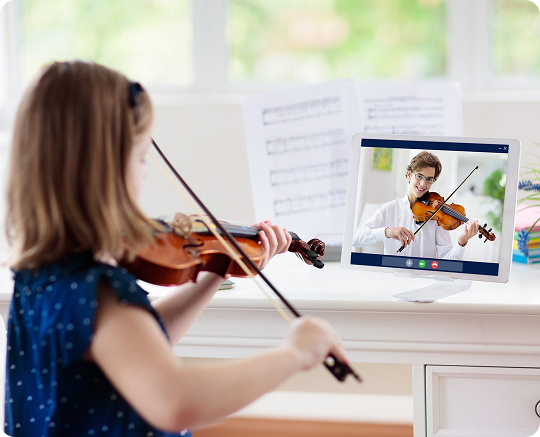
Why Is Learning Violin at Home More Popular Than Ever?
Learning violin at home is popular because it offers flexibility, comfort, and consistent access to practice without travel or scheduling stress. Learning violin at home has become more appealing because students can continue improving without needing to travel or rearrange busy routines. Families often appreciate the convenience of practicing in a familiar space, while adult learners benefit from flexible timing around work and personal responsibilities. Home-based violin learning also allows students to review recordings, repeat difficult exercises, and progress at a comfortable pace. This approach supports consistency, which is one of the most important factors in musical development. For learners in Montreal, West Island, and nearby neighborhoods, practicing from home can make violin learning easier to maintain while still supporting strong technique, confidence, and musical expression over time.
How Can Students Maintain High-Quality Violin Practice at Home?
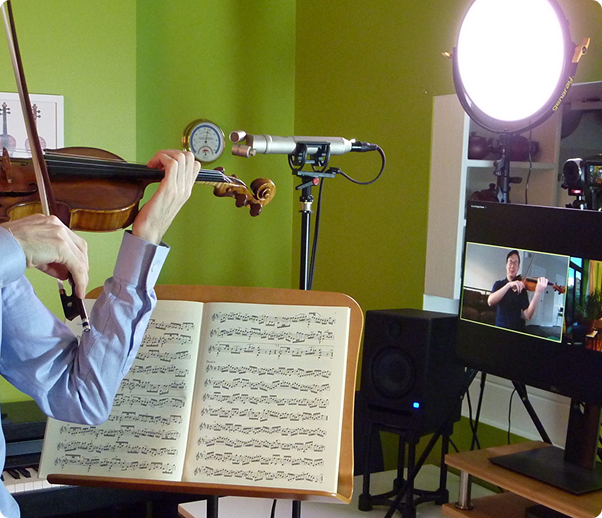
Students maintain quality at home by using clear demonstrations, feedback, structured exercises, and careful attention to posture, bowing, and intonation. High-quality violin practice at home depends on more than repeating songs. Students need a focused structure that helps them improve posture, bow grip, intonation, left-hand placement, rhythm, and tone. Clear demonstrations, video tools, recordings, and feedback can help learners understand what needs correction. A strong routine should include warm-ups, technique work, repertoire practice, and review. This keeps practice balanced and prevents students from developing habits that slow progress. Home practice can feel just as productive as in-person learning when students know what to focus on and how to measure improvement. With consistent effort, violin learners can build stronger habits and stay motivated.
What Should Students Practice When Learning Violin at Home?
Foundational Skills
Correct bow hold
Basic rhythms and note reading
Hand positioning and finger placement
Technique Development
Tone control
Intonation improvement
Smooth string crossing
Musical Growth
Memorizing simple pieces
Building confidence
Exploring early repertoire
These components help students stay consistent and continue progressing during home-based violin practice.
How Should Beginners Start Learning Violin at Home?
How Can Intermediate Students Avoid Losing Violin Progress at Home?
Intermediate students avoid losing progress by refining technique, practicing scales, improving intonation, and following consistent weekly goals. Intermediate violin students need practice routines that strengthen both technique and musicality. At this stage, learners often work on bowing patterns, slurs, rhythmic accuracy, scales, arpeggios, and longer musical phrases. Home practice should focus on improving tone, articulation, coordination, and intonation accuracy. Personalized feedback or self-recording can help students notice small issues that may otherwise go unnoticed. This stage requires patience because progress becomes more detailed and refined. A clear routine keeps students from becoming stuck or repeating the same material without improvement. With regular practice and focused goals, intermediate learners can continue growing confidently and avoid losing momentum.
What Helps Advanced Violin Students Keep Improving at Home?
Advanced students keep improving at home by focusing on expression, advanced bowing, vibrato, shifting, repertoire, and performance preparation. Advanced violin students need a higher level of focus when practicing at home. Their routines should include advanced bow techniques, vibrato, shifting, dynamic control, tone shaping, and interpretation. These students may also work on challenging repertoire for auditions, performances, exams, or personal improvement. Home practice should not only focus on technical accuracy but also on musical expression and artistry. Recording performances, reviewing tone quality, and setting clear performance goals can help advanced learners refine their playing. With structured challenge and consistent feedback, students can continue developing confidence and expression from home while preparing for more demanding musical opportunities.
How Can Technology Support Violin Learning at Home?
Technology plays an important role in helping students learn violin at home without losing progress. High-quality video tools allow students to review bowing direction, finger placement, posture, and sound quality more clearly. Digital sheet music, guided practice tracks, and video demonstrations make it easier to revisit difficult sections between practice sessions. Recordings are especially useful because students can listen back and identify issues in rhythm, intonation, or tone. Metronomes, tuners, and play-along tracks also support better timing and accuracy. When used consistently, these tools create a more organized practice experience. Technology helps students stay engaged, review progress, and continue improving with greater confidence.
Why Is Home Violin Practice Helpful for Busy Families?
For busy families, learning violin at home can make consistent practice easier to maintain. Travel time, weather, school schedules, and extracurricular activities can make traditional learning routines difficult. Home practice removes many of these barriers and allows students to fit music into daily life more naturally. Families in Pointe-Claire, Côte Saint-Luc, Beaconsfield, Saint-Laurent, and nearby areas can benefit from flexible routines that support steady progress without adding stress. Adult learners also appreciate the ability to practice during evenings or weekends. When violin learning fits into the household schedule, students are more likely to stay consistent, motivated, and connected to their musical goals.
Start learning today with 50% off your first lesson on the instrument of your choice!
How Can Students Explore Musical Styles While Learning at Home?
The Benefits of Learning Violin from the Comfort of Home
No commuting
Familiar practice environment
Flexible scheduling
Enhanced Learning
Rewatchable lesson recordings
Customized digital resources
Personalized feedback
Consistency
Lessons continue during travel
No weather-related cancellations
Easier practice continuity
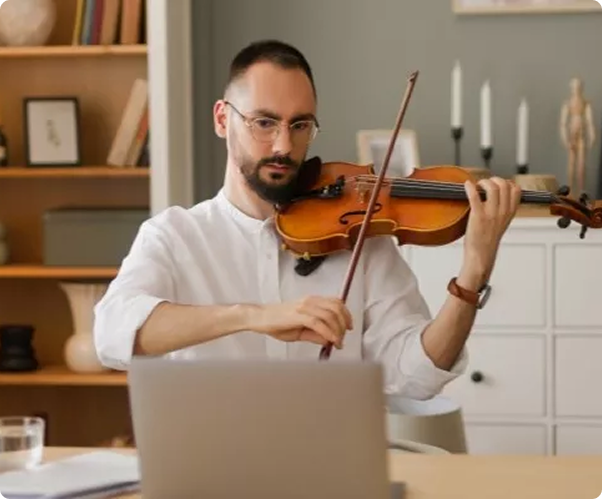
Virtual violin classes offer benefits that support steady long-term growth.
How WIMA Builds a Supportive Online Violin Community
Conclusion: Start Your Virtual Violin Journey with Confidence
Frequently Asked Questions
1. Can students learn violin at home without losing progress?
Yes, students can keep progressing at home when they follow a structured practice routine, review regularly, and focus on proper technique.
2. What should beginners practice first when learning violin at home?
Beginners should start with posture, bow hold, finger placement, basic rhythms, note reading, and simple melodies.
3. How can intermediate violin students keep improving at home?
Intermediate students can improve by practicing scales, arpeggios, bowing patterns, intonation, tone control, and longer musical phrases.
4. What helps advanced violin students progress from home?
5. How does technology support violin learning at home?
Technology supports violin learning through recordings, digital sheet music, tuners, metronomes, video tools, and guided practice tracks.
6. How often should students practice violin at home?
Students should practice regularly in short, focused sessions. Consistent practice several times per week is more effective than long, irregular sessions.
7. Why is feedback important when learning violin at home?
Feedback helps students correct posture, bowing, intonation, rhythm, and finger placement before mistakes become long-term habits.
8. How can students stay motivated while learning violin at home?
Students can stay motivated by setting small goals, tracking progress, exploring enjoyable pieces, sharing recordings, and participating in recitals or music communities.